
Last updated September 20, 2026
Full 25-point door and opener safety check with every visit - springs, cables, rollers, tracks, and your LiftMaster or Chamberlain opener included
You get a price before we start. It does not change when the truck arrives.
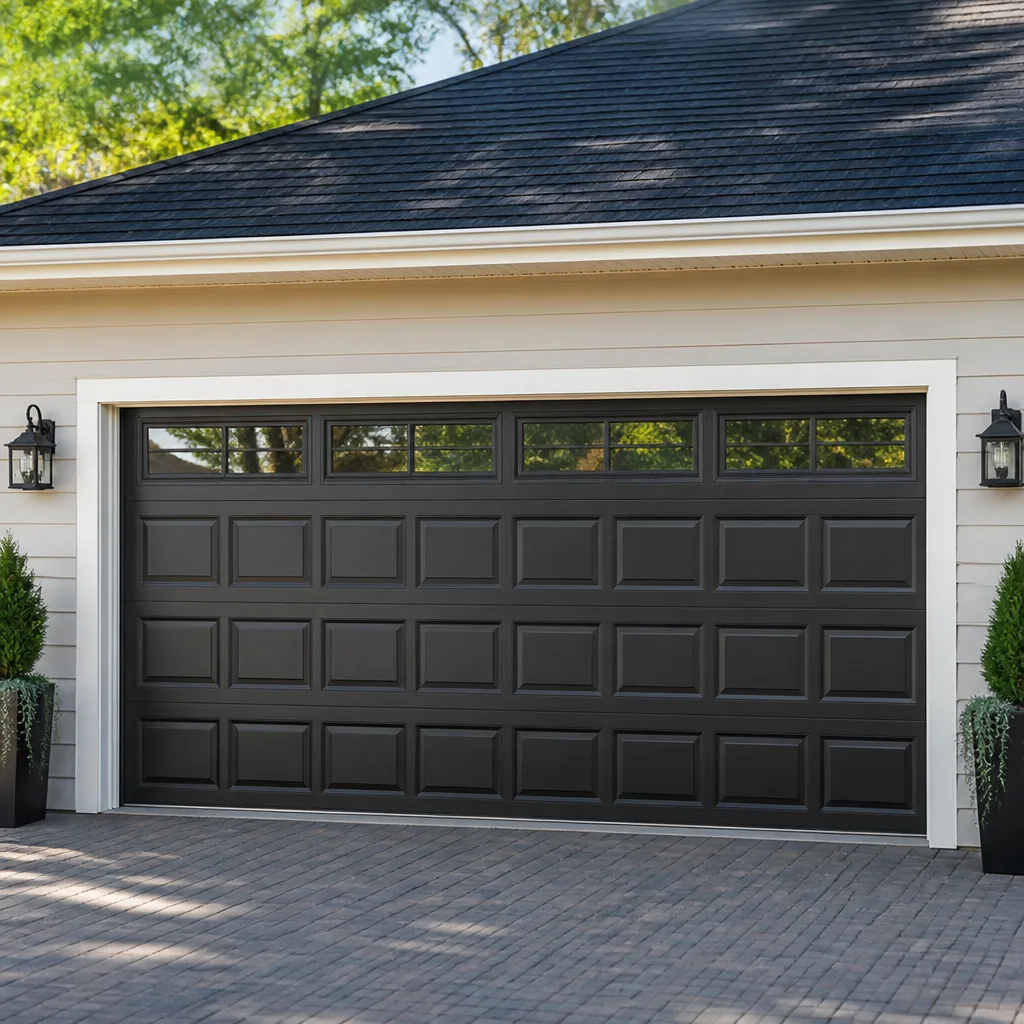
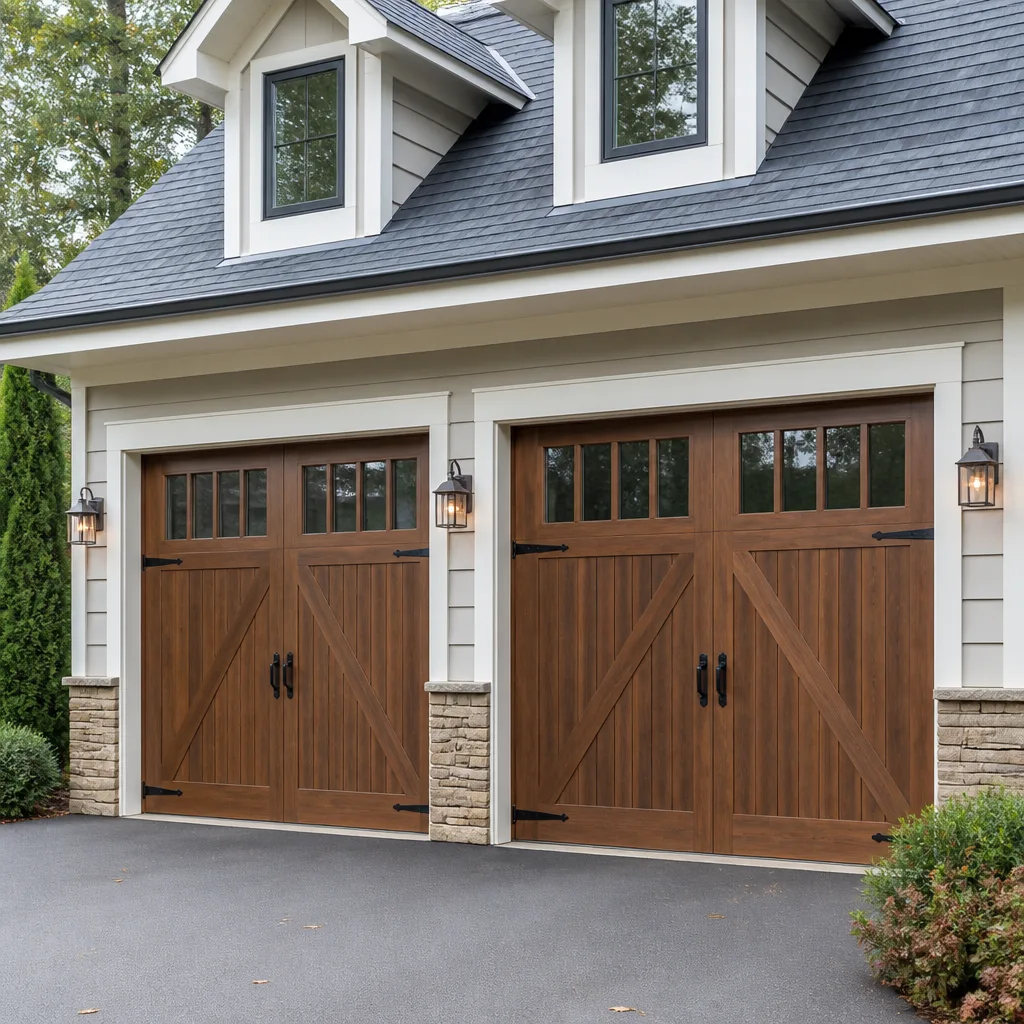
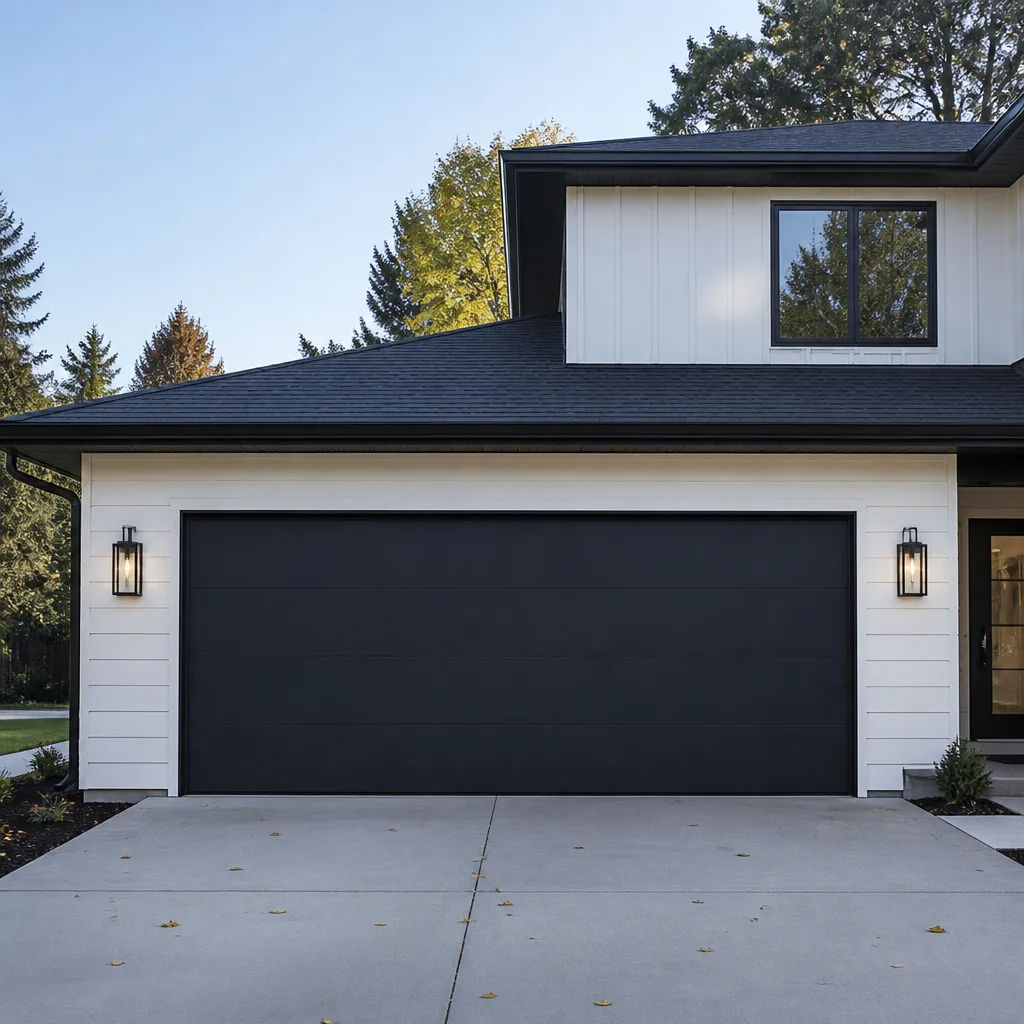
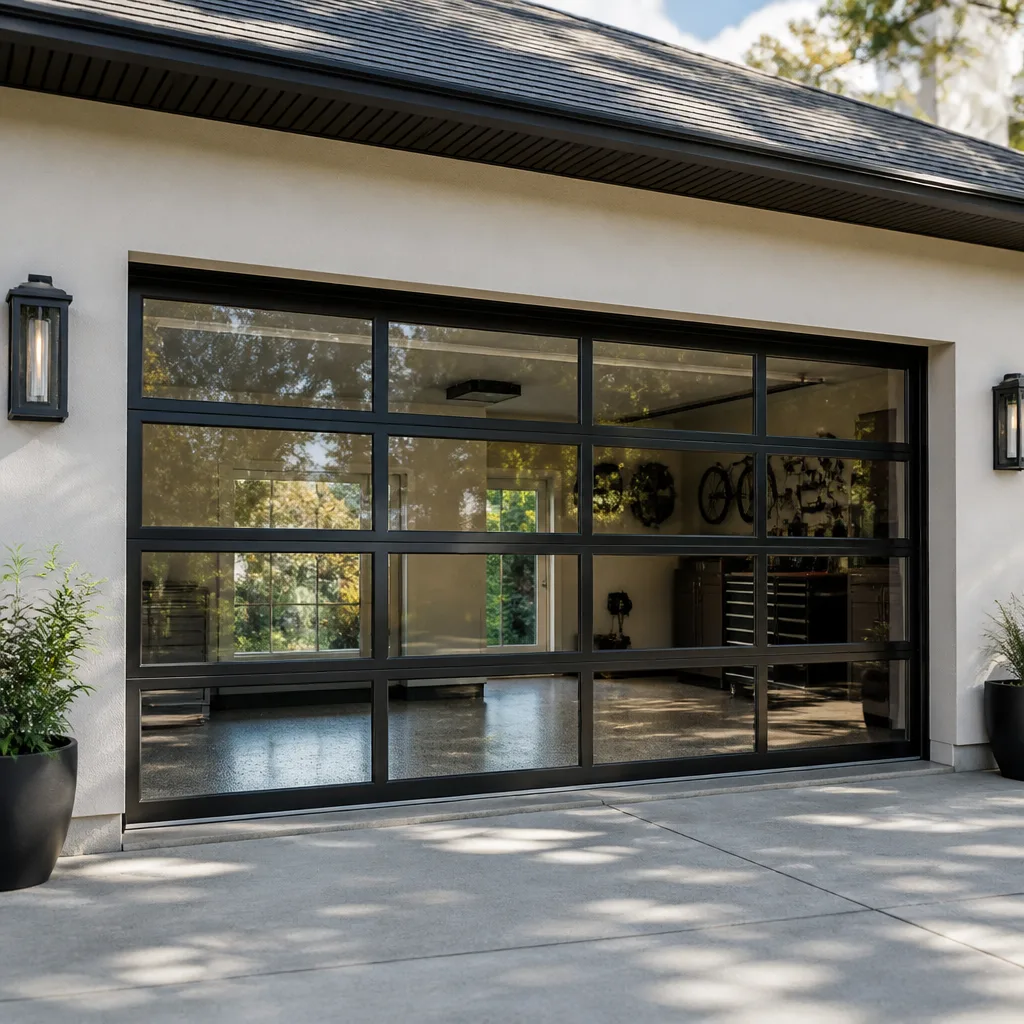
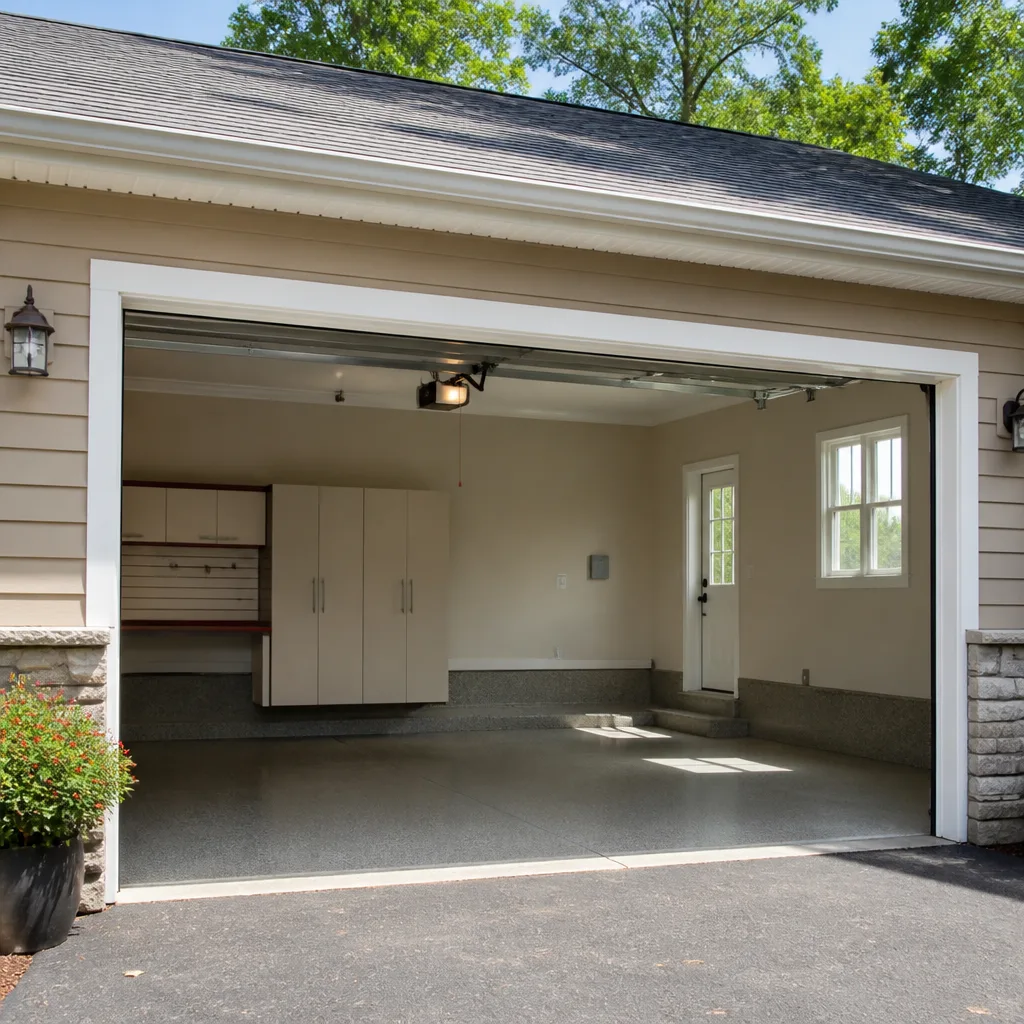
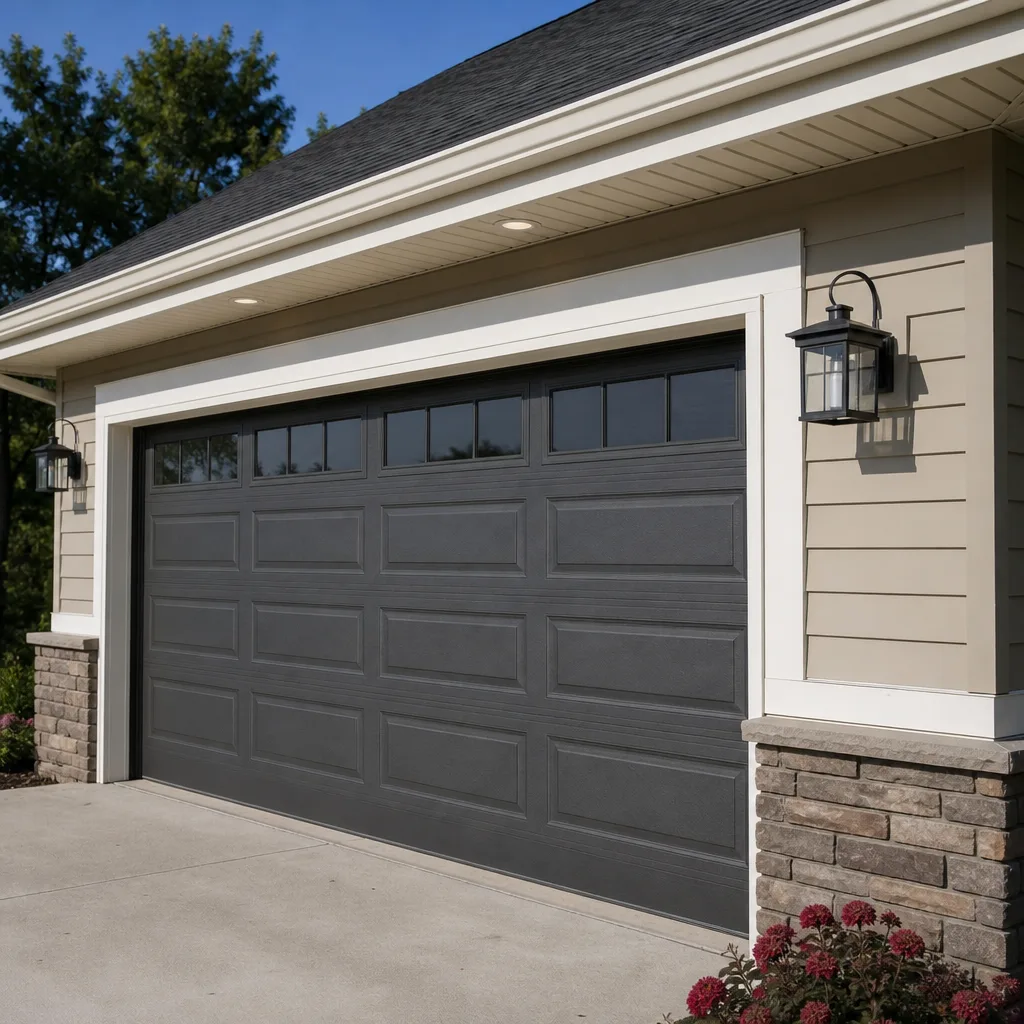
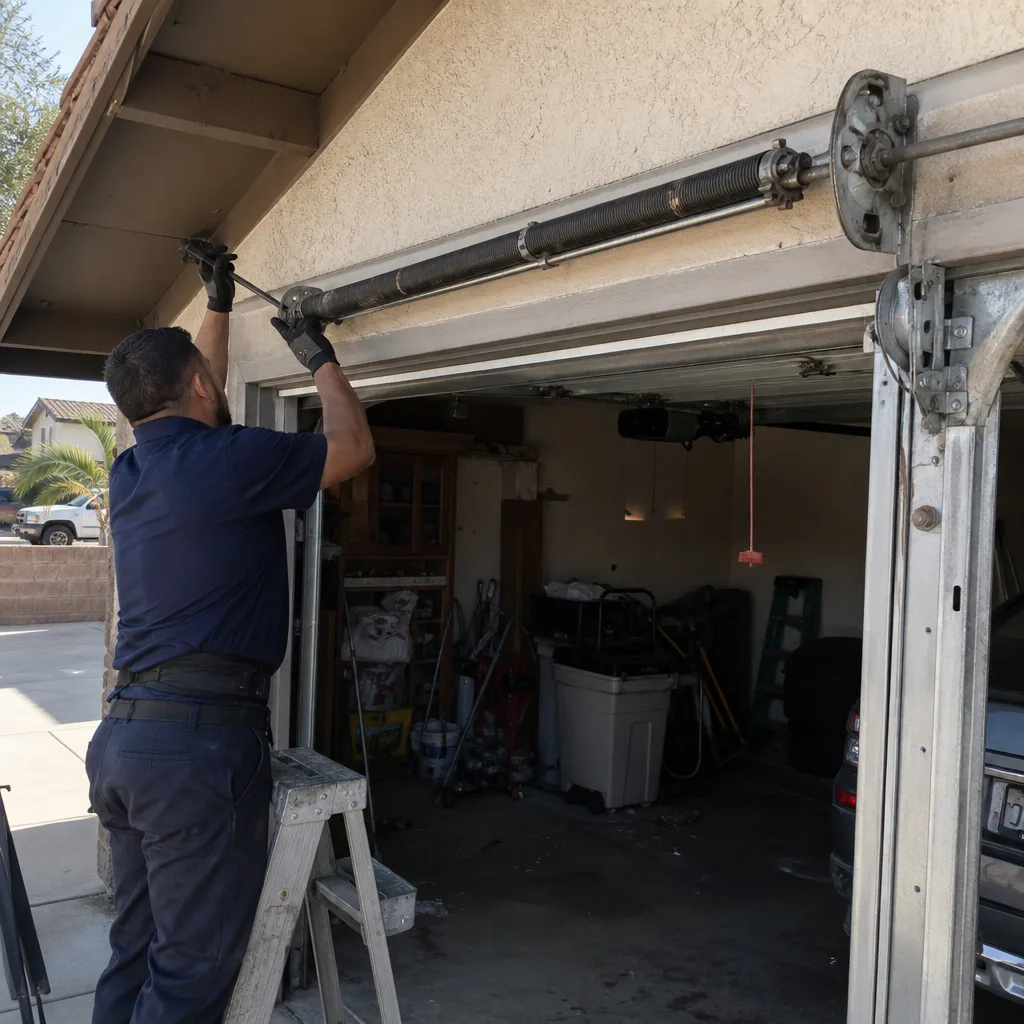 Before
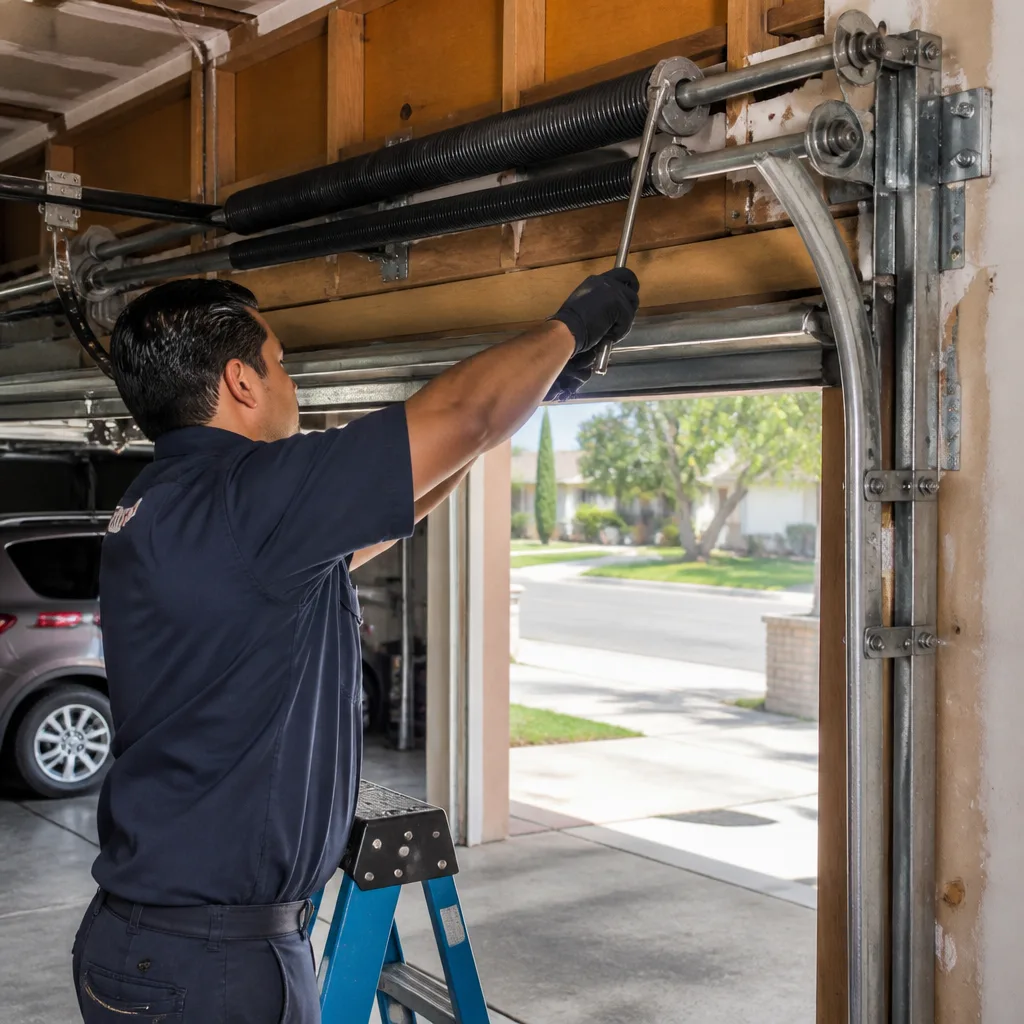 After
After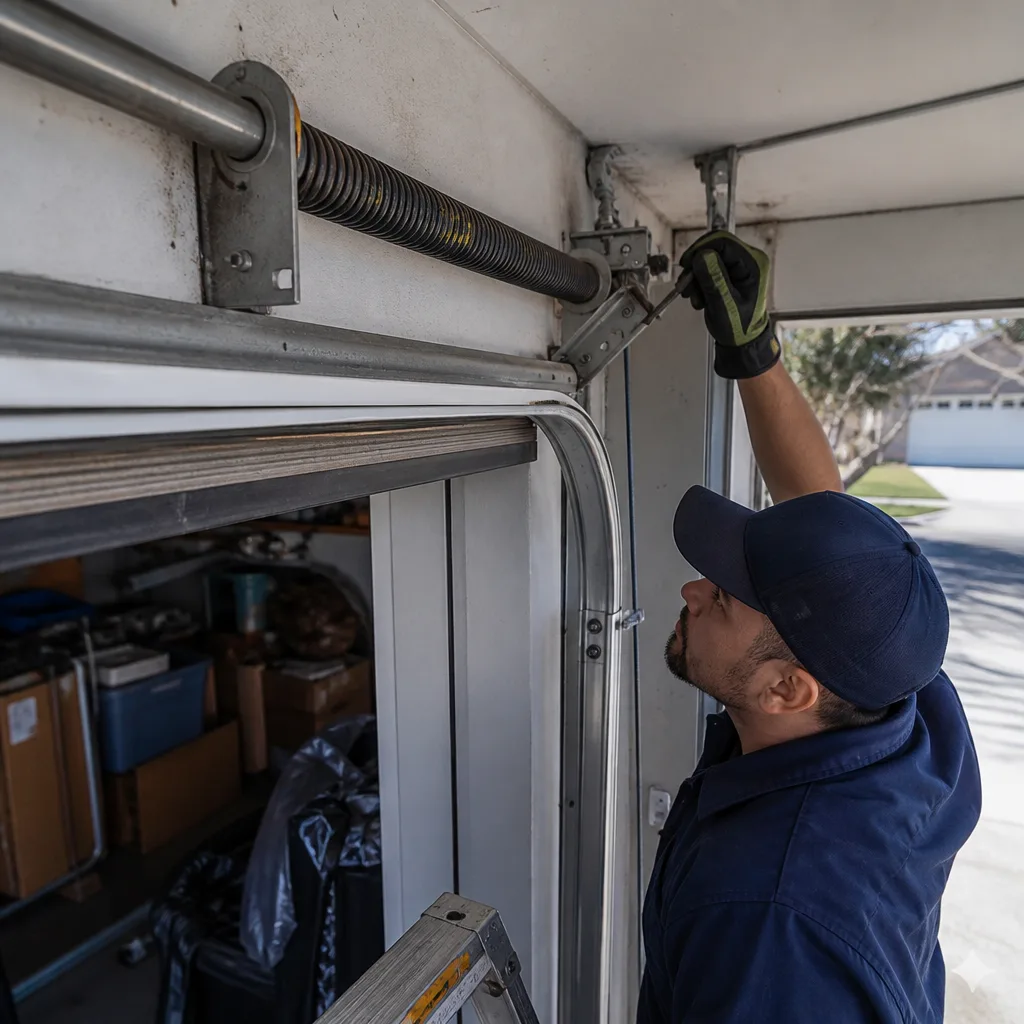 Before
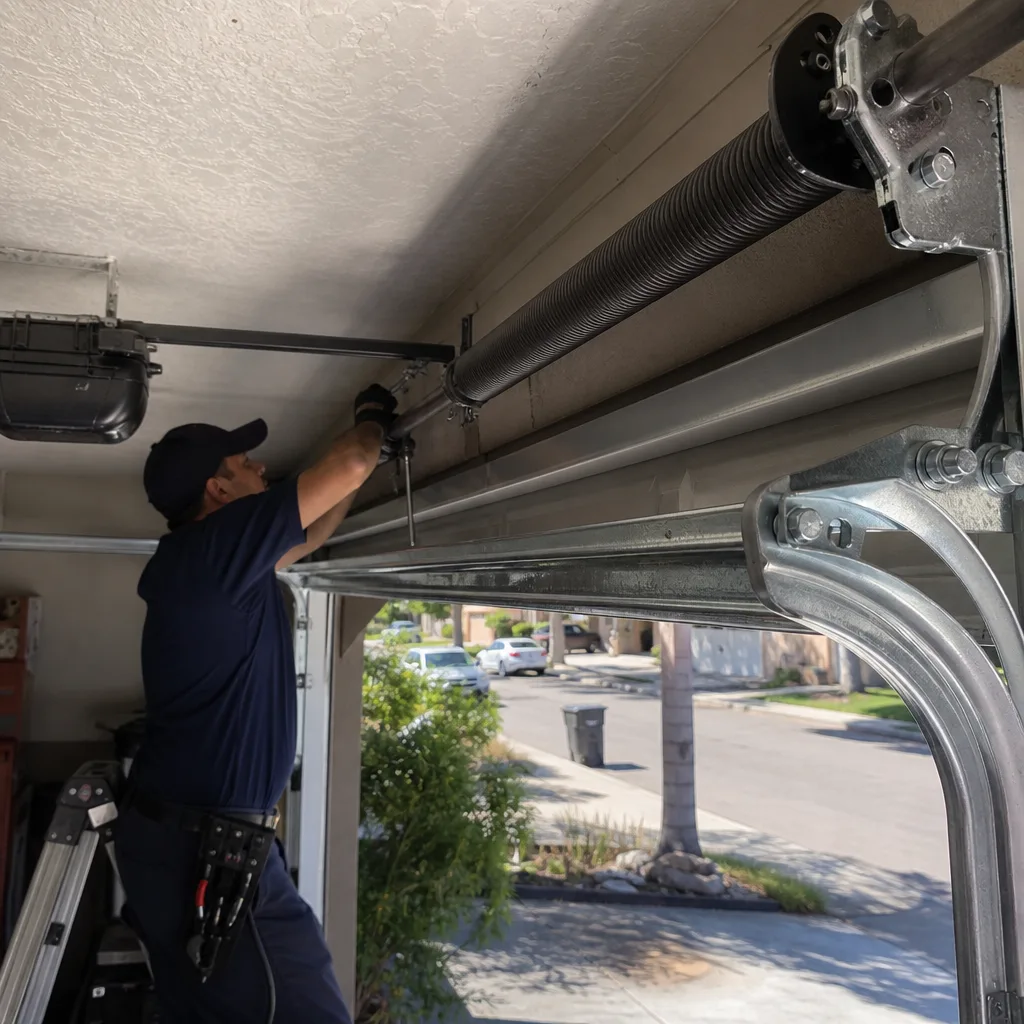 After
After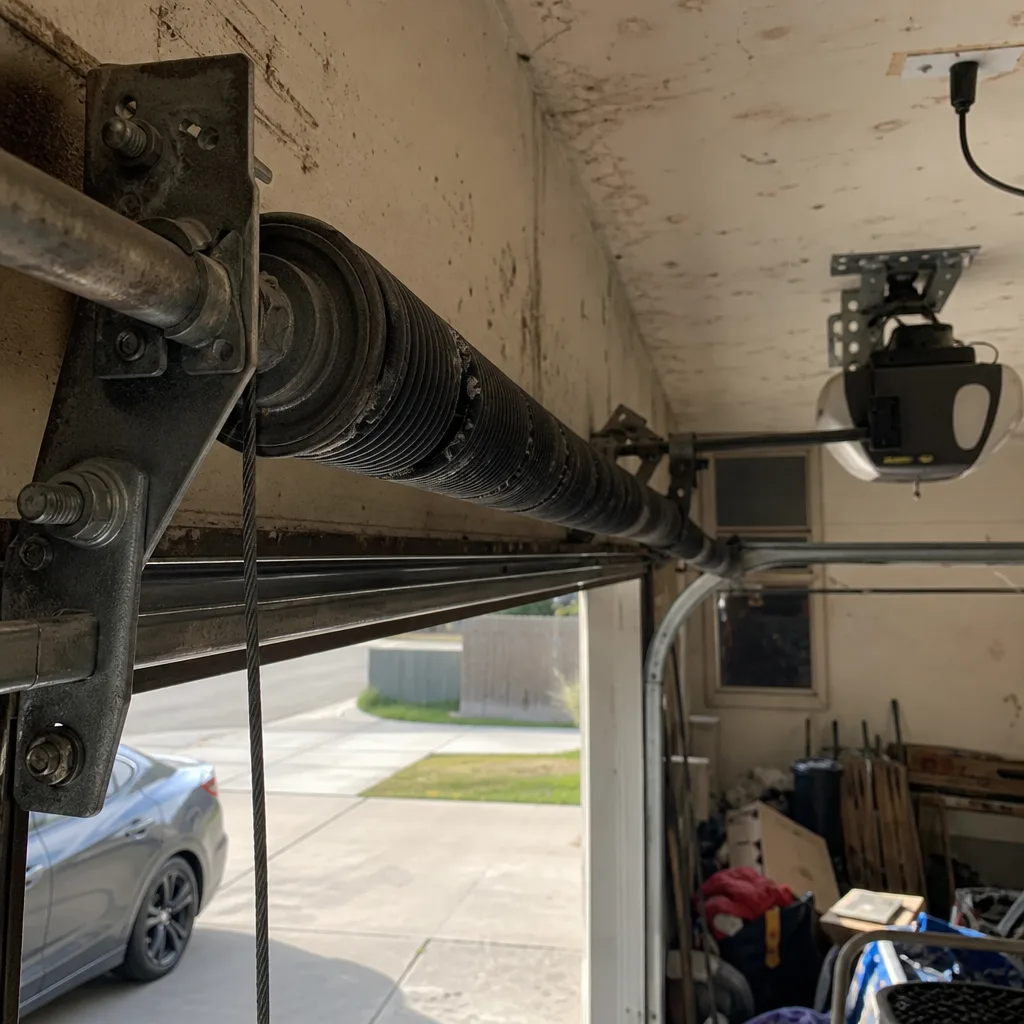 Before
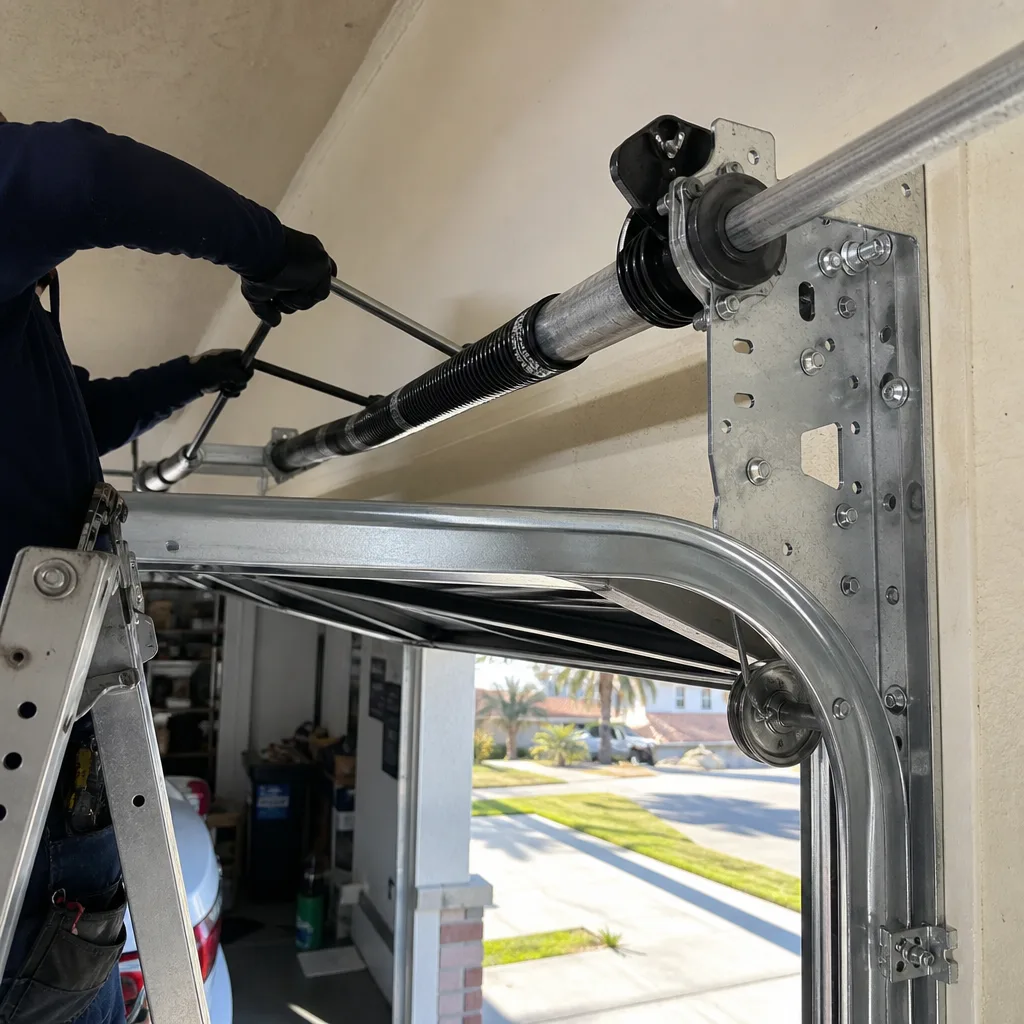 After
AfterGarage Door Permits, Codes & Inspections in CA: What You Need to Know
Most Fontana homeowners don’t think about permits until a problem lands on their doorstep, usually during escrow. A title search flags an unpermitted garage door opener installed in 2019, or a buyer’s inspector notes that the new insulated door lacks a California Energy Commission compliance sticker. Suddenly a routine sale stalls over a $400 job done without paperwork. This guide maps the exact line between what requires a permit in California and what doesn’t, walks through the inspection process in San Bernardino County, and explains why pulling the right paper now is cheaper than fixing the wrong one later. For Garage Door Warning Signs: A Fontana Homeowner’s Reference Guide, see our related resource. We’ll cover what triggers a permit, what Title 24 demands, what inspectors actually check, and what to do if you inherit unpermitted work.
Quick Answer
In California, replacing an existing garage door, springs, cables, or rollers does not require a building permit in most jurisdictions, including Fontana. Installing a new garage door where none existed, replacing the rough opening framing, or hardwiring a new garage door opener typically does. The permit trigger is structural attachment or electrical modification, not the door itself.
Table of Contents
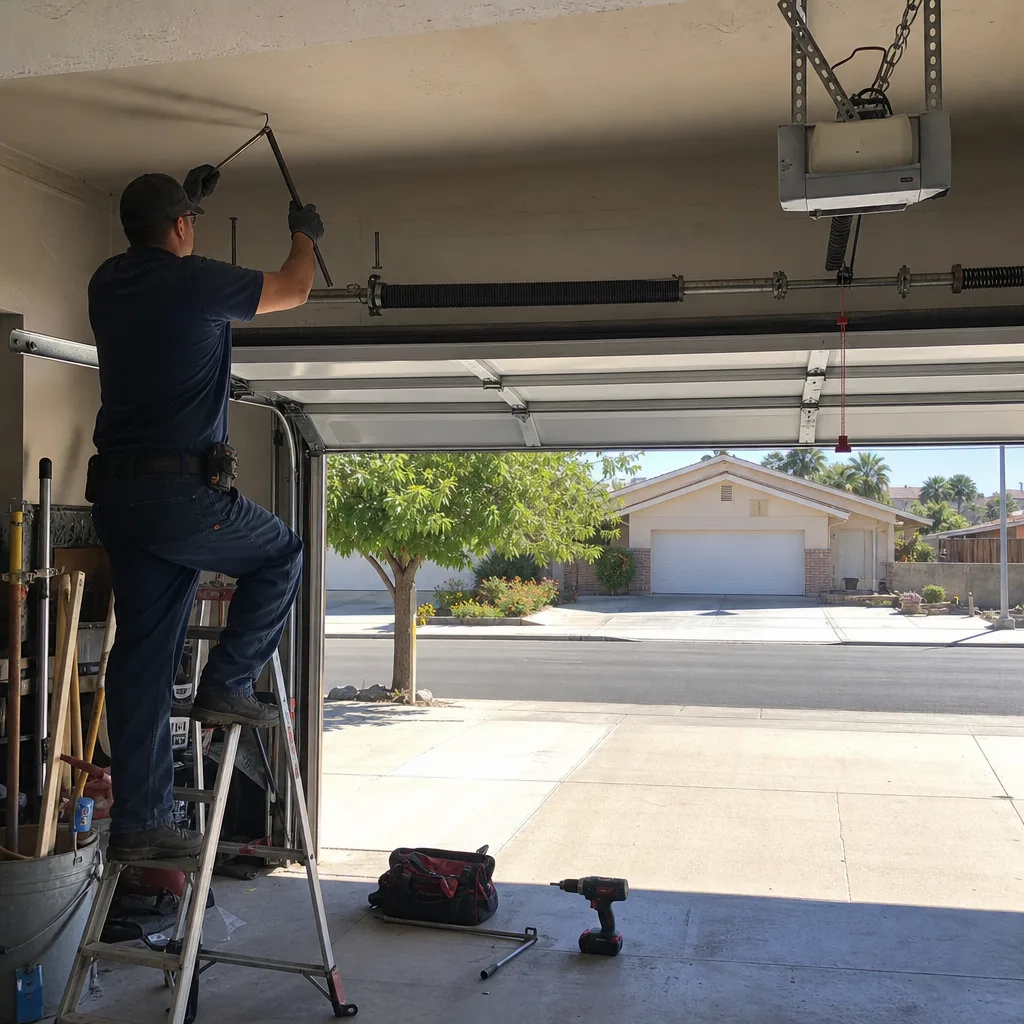
- What Actually Requires a Garage Door Permit in California
- What Does Not Require a Permit: The Routine Repair Line
- Title 24 and Garage Door Insulation Requirements
- The Fontana and San Bernardino County Permit Process
- What the Inspector Checks and What Happens If You Fail
- Homeowner-Pulled Permits vs. Contractor-Pulled Permits
- Unpermitted Work from a Previous Owner: Your Options
- Common Mistakes to Avoid
- When to Call a Professional
- Frequently Asked Questions
- The Bottom Line
BeforeAfterWhat Actually Requires a Garage Door Permit in California
The California Building Code (CBC) draws the permit line at structural alteration and electrical work. A garage door permit is not a standalone category. It falls under general building permits, which cover changes to exterior openings, structural framing, and electrical circuits. Here is what triggers a permit for garage door work in Fontana and throughout San Bernardino County:
- New door installation where no door previously existed. If you’re converting a carport to a garage or closing in an opening, the new wall framing and door assembly require a permit. The structural header, jambs, and anchorage all get inspected.
- Enlarging or modifying the rough opening. Resizing the opening to accommodate a wider door means cutting into load-bearing framing. That is structural work. It requires engineered drawings and a permit.
- Replacing the rough opening framing. If termite damage or dry rot means the header, king studs, or jack studs need replacement, you are past cosmetic work. A permit is required, and the inspector will want to see the new framing before it’s covered.
- Installing a new electrical circuit for a garage door opener. If the opener needs a new dedicated circuit run from the panel, that is electrical work under the California Electrical Code. It requires an electrical permit, either standalone or as part of a combined building permit.
- Converting a detached garage to living space. Once a garage becomes an ADU or bedroom, the door replacement often happens alongside the conversion permit. The door itself may not trigger the permit, but the conversion does.
In Fontana specifically, the Building & Safety Division follows the California Building Standards Code with local amendments. The practical threshold: if the work involves cutting into framing, pouring new footings, altering the roofline, or running new electrical wire, you need a permit. If you’re swapping a door panel into an existing opening and reusing the existing wiring for the opener, you don’t.
What Does Not Require a Permit: The Routine Repair Line
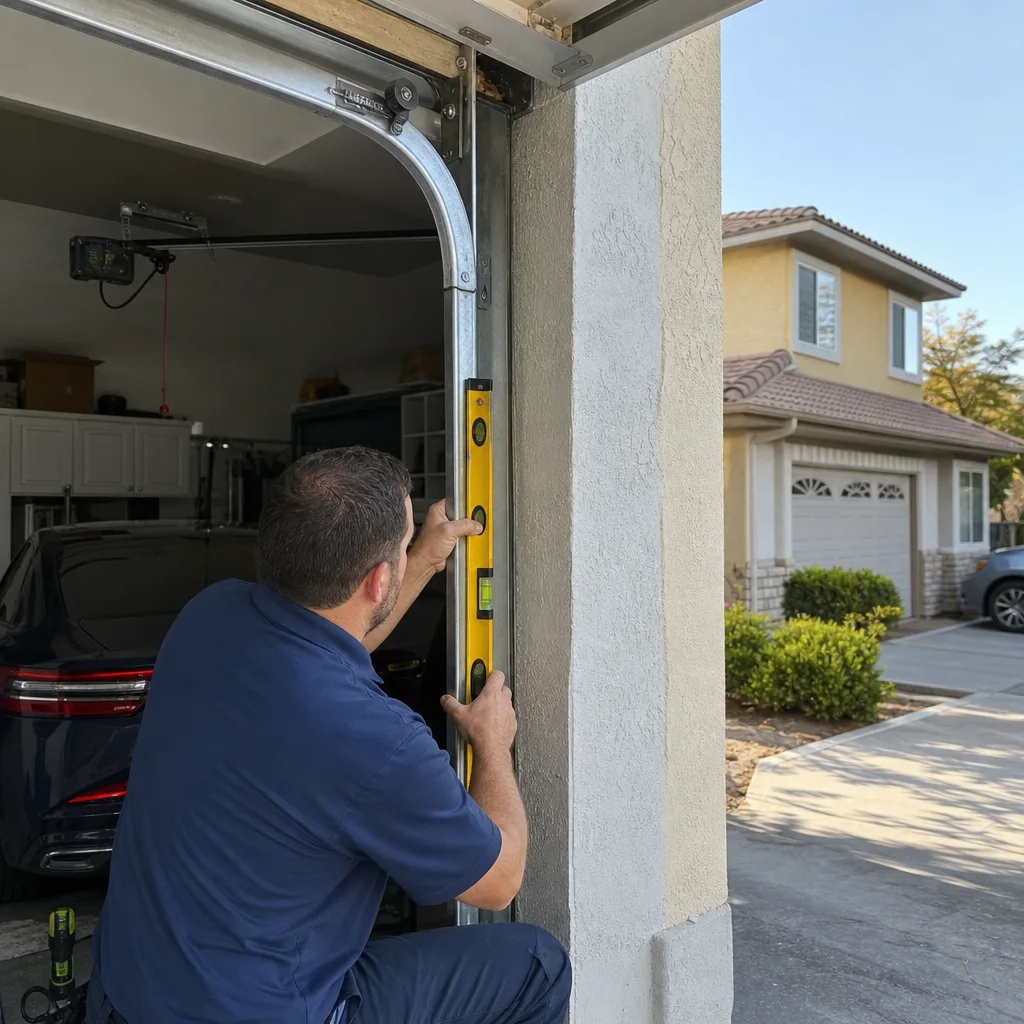
Here is the part most contractors get wrong, deliberately or not. The California Building Code exempts ordinary repairs from permit requirements. Section 105.2 of the CBC lists work exempt from permits, and the key phrase is that the repair must not affect the structural integrity of the building or involve adding new electrical circuits. What that means for garage doors:
- Replacing a garage door panel or entire door on an existing opening: no permit. The door assembly is a non-structural component. It hangs on the existing track and brackets. The opening’s header and jambs are untouched.
- Torsion spring replacement: no permit. A torsion spring is a wear item. Replacing it doesn’t alter structure or electrical. One caveat: torsion springs carry tension that can cause serious injury. That’s a safety issue, not a permit issue. A trained professional should handle this work.
- Cable and roller replacement: no permit. Same reasoning. Wear items, non-structural, no new electrical.
- Track alignment and bracket tightening: no permit. Routine maintenance on existing hardware.
- Photo eye sensor replacement: no permit. It plugs into the existing opener circuit. No new wiring from the panel.
- Replacing a garage door opener using the existing electrical outlet: no permit. If the opener plugs into a receptacle or is hardwired to an existing circuit in the same location, it’s a like-for-like appliance replacement.
We see the confusion in Fontana regularly. A homeowner replaces a 16-foot Clopay steel door on an existing opening, and a neighbor tells them they needed a permit. They didn’t. A different homeowner has an opener hardwired on a new circuit, and the installer tells them no permit is needed. Wrong. The distinction is structural framing and electrical circuits, not the door itself.
Title 24 and Garage Door Insulation Requirements
Title 24, Part 6 of the California Code of Regulations, is the state’s energy efficiency standard. It applies to new garage door installations, not repairs or replacements on an existing door. The rule that matters for Fontana homeowners: if the garage is a conditioned space, meaning it has heating or cooling supplied to it, the new garage door must meet specific insulation requirements.
The Title 24 standard for garage doors in conditioned spaces is a maximum U-factor of 0.35, which translates to roughly R-4 to R-5 depending on the door material. Most insulated steel doors from manufacturers like Amarr and Raynor meet this threshold. Single-layer, non-insulated steel doors do not. They have a U-factor closer to 1.0 or higher.
Fontana’s climate makes this less burdensome than it sounds. San Bernardino County is in Climate Zone 10, where Title 24 does not mandate insulation for garage doors in unconditioned garages. Most garages in Fontana are unconditioned. No HVAC supply, no return, no insulation mandate. But if you’ve converted your garage into a conditioned workshop or home gym, the new door needs to meet the standard, and the installer should provide documentation showing the door’s rated U-factor.
The compliance path: the installer fills out a Certificate of Compliance for the installation, noting the door’s U-factor and the climate zone. That certificate goes into the permit file. If you’re buying the door yourself, request the manufacturer’s NFRC rating label. Without that label, proving compliance during inspection is difficult. We’ve seen Fontana homeowners install a non-insulated door on a conditioned garage, fail the Title 24 review, and then pay to replace a door they’d installed three weeks earlier. Ask about the U-factor before you order the door.
The Fontana and San Bernardino County Permit Process
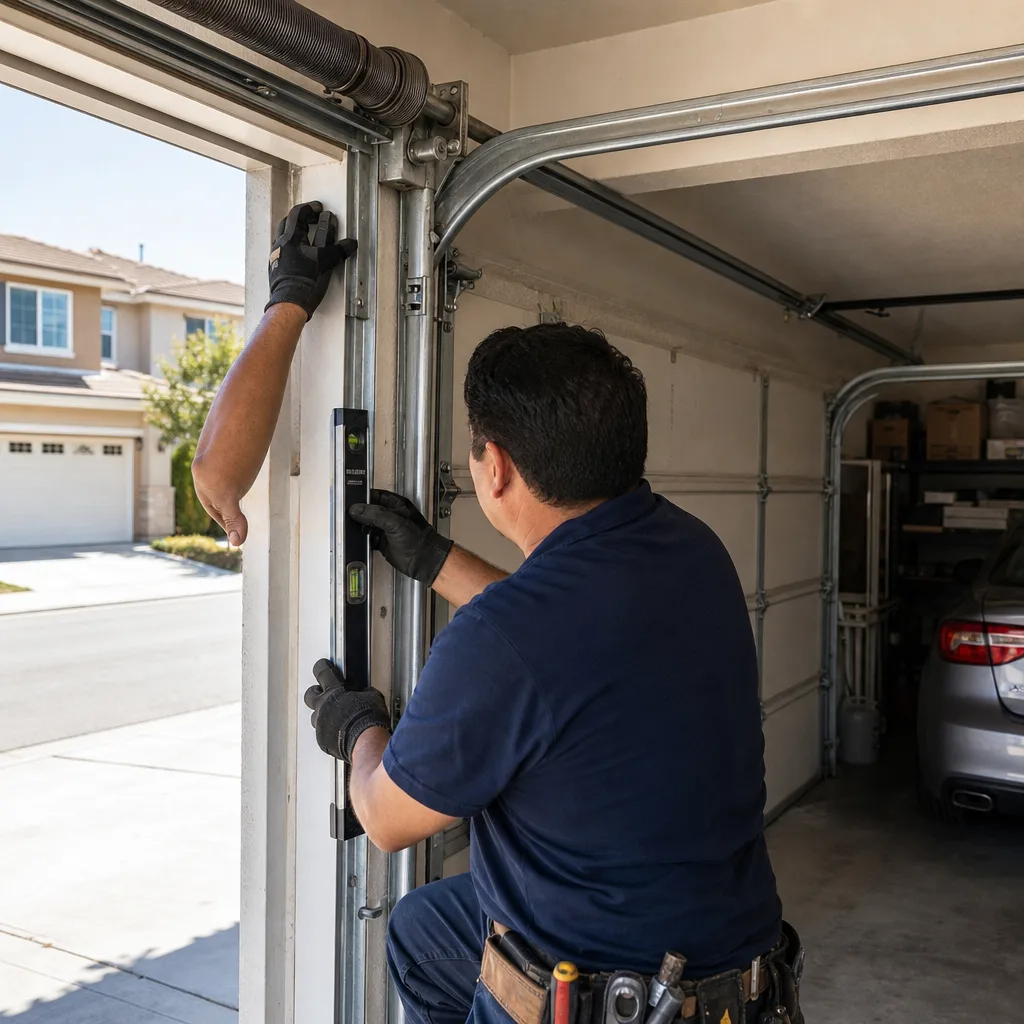
Fontana issues its own building permits through the city’s Building & Safety Division. The process is not complicated, but it is specific. Here is the step-by-step sequence for a permit-required garage door installation:
- Determine if a permit is required. Use the checklist in the sections above. When in doubt, call the City of Fontana Building & Safety Division. A five-minute phone call prevents a permit was never pulled problem later.
- Prepare the submittal package. You’ll need a site plan showing the garage location, the door opening dimensions, and the project description. For structural work, you’ll need engineered drawings from a California-licensed engineer. For electrical work, a single-line diagram of the new circuit.
- Submit the application. Fontana accepts building permit applications online through the city’s permit portal. Fees for a garage door installation permit in Fontana typically run between $150 and $400, depending on the project valuation. Electrical permits run $100 to $250. These are the ranges we see on invoices we review, not a quote from the city.
- Pay the fees and receive the permit. Once the plan review clears, you’ll pay the permit fee and receive the permit card. That card must be posted at the job site during the work.
- Schedule the inspection. After the work is done, call or book online to schedule the inspection. Fontana typically schedules within 48 to 72 hours. The inspector will confirm a window, usually a two-hour window on the day of inspection.
- Pass the inspection or correct the issues. The inspector signs off, and the permit is finalized. If corrections are required, you’ll get a correction notice with a re-inspection date.
One thing to know about San Bernardino County jurisdiction: if your home sits in an unincorporated pocket near Fontana rather than within city limits, the County’s Land Use Services Department handles the permit, not the city. The rules are nearly identical, but the office and the forms are different. Check your address against the city’s jurisdictional map before you submit anything.
What the Inspector Checks and What Happens If You Fail
A garage door inspection is not a formality. The inspector will look at specific things, and knowing what they check prevents a failed inspection. Here’s the checklist, in the order inspectors typically walk it:
- Framing and anchorage. For structural work, the inspector verifies the header size against the approved plans, checks the king stud and jack stud layout, and confirms the anchor bolts are spaced correctly. They’ll look at the connection between the new framing and the existing wall.
- Electrical rough-in. For new opener circuits, the inspector checks wire gauge, the circuit breaker size, and the outlet or junction box location. The opener must not be the only thing on a circuit that also feeds other outlets if the load calculation doesn’t support it.
- Door operation. The door should open and close smoothly, stay in place at mid-travel, and reverse when it meets resistance. The photo eye sensors must be mounted no higher than 6 inches from the floor, per the Consumer Product Safety Commission standard that California enforces.
- Title 24 compliance. For conditioned garage spaces, the inspector will want to see the compliance documentation or the NFRC label on the door.
- Final paperwork. The permit card, the compliance certificate, and the approved plans all need to be on site.
A failed inspection in Fontana is not catastrophic, but it costs time. You’ll receive a correction notice listing the specific deficiencies. You fix them and schedule a re-inspection. A re-inspection fee may apply, typically $100 to $200 depending on the jurisdiction. The most common failures we hear about from Fontana homeowners: the photo eye sensors mounted too high, missing compliance documentation for the Title 24 review, and electrical work that wasn’t visible because drywall went up before the rough-in inspection. Schedule your inspections in the right order and you avoid most of these.
Homeowner-Pulled Permits vs. Contractor-Pulled Permits
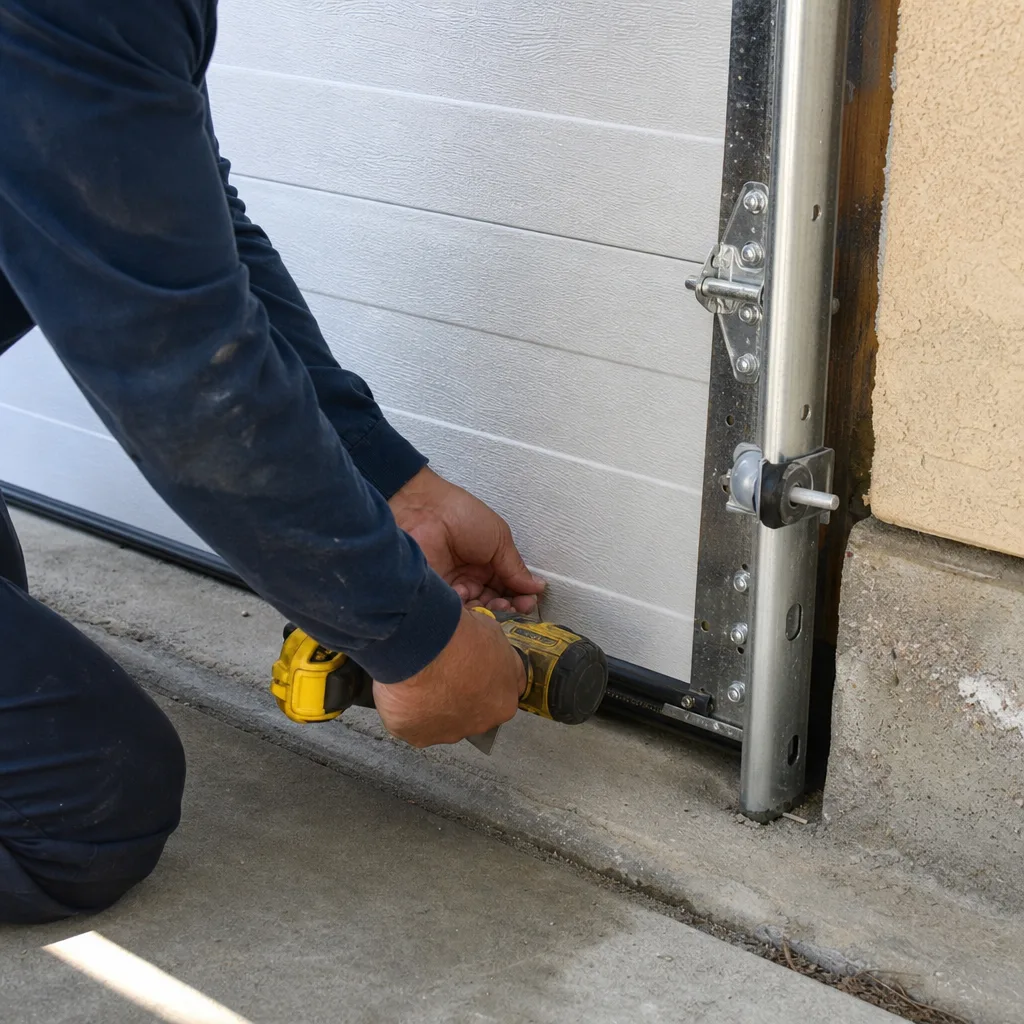
A permit can be pulled by the homeowner or by the contractor doing the work. The difference is not the permit itself. It’s the liability trail.
When a contractor pulls the permit, their license number goes on the permit application. The contractor is the responsible party for code compliance. The contractor’s insurance covers the work. If something fails, the claim goes to the contractor’s policy. In California, a contractor who performs work that requires a permit without pulling one is in violation of the Contractors State License Board rules, and the homeowner can file a complaint.
When a homeowner pulls the permit, the homeowner is the responsible party. If the work fails or a code issue surfaces later, the liability sits with the homeowner. Homeowner-pulled permits are legal in California for work on your own residence, but they shift the risk profile. We see homeowners pull their own permits to save the contractor’s permit fee markup, then finish the job without an inspection because the contractor says the permit is your responsibility to close. Then the next sale falls through because there’s an open permit on the record.
For garage door work that requires a permit, our position at Servo Garage Doors Fontana is that the contractor should pull the permit under their license. It’s the same principle as Clause 1 of The Haven Standard: the paper trail exists before the work starts, and the responsible party is named on the document. A contractor who hesitates to pull a permit for permit-required work is not doing you a favor by skipping the paperwork. They’re shifting liability onto your title.
Unpermitted Work from a Previous Owner: Your Options
Fontana home sales regularly surface unpermitted garage door work. The scenario: the previous owner installed a new garage door and opener in 2021. The work looks fine. During escrow, the buyer’s title report or a sharp home inspector flags that no permit was pulled. Now the seller has a problem.
If you’re the seller, you have three options:
- Disclose it and negotiate. California law requires you to disclose known unpermitted work. Many buyers will accept the disclosure and proceed, especially if the work is cosmetic. The sale closes, and the buyer inherits the issue.
- Retroactive permit. San Bernardino County and the City of Fontana allow retroactive permits. The owner applies for a permit as if the work hasn’t been done, then schedules an inspection. The inspector checks the work against current code. If it passes, the permit is closed and the issue is resolved. If it fails, corrections are required. In Fontana, retroactive permits for garage door work typically run $200 to $500 in permit fees, plus any correction work. That’s the range we see on the homeowner side, not a city quote.
- Replace the work with permitted work. If the unpermitted work fails inspection or correcting it costs more than replacing it, rip it out and start fresh with a permit. This is uncommon for garage doors but happens when the framing was altered without engineering.
If you’re the buyer, the retroactive permit cost should be negotiated into the purchase price. Don’t close on a house with known unpermitted structural work unless the seller has either resolved the permit or you’ve accepted the cost in writing. For garage door openers specifically, the most common unpermitted issue is a hardwired opener on a circuit that was run without a permit. That’s an electrical permit correction, and it’s usually under $500 to resolve in Fontana.
Related reading: if you’re already dealing with a failed door and need a repair before you can even think about permits, Garage Door Repair in Fontana covers the full repair scope. If the door is beyond repair and you’re considering a full replacement, Garage Door Installation in Fontana walks through the replacement process, including when a permit applies.
Common Mistakes to Avoid
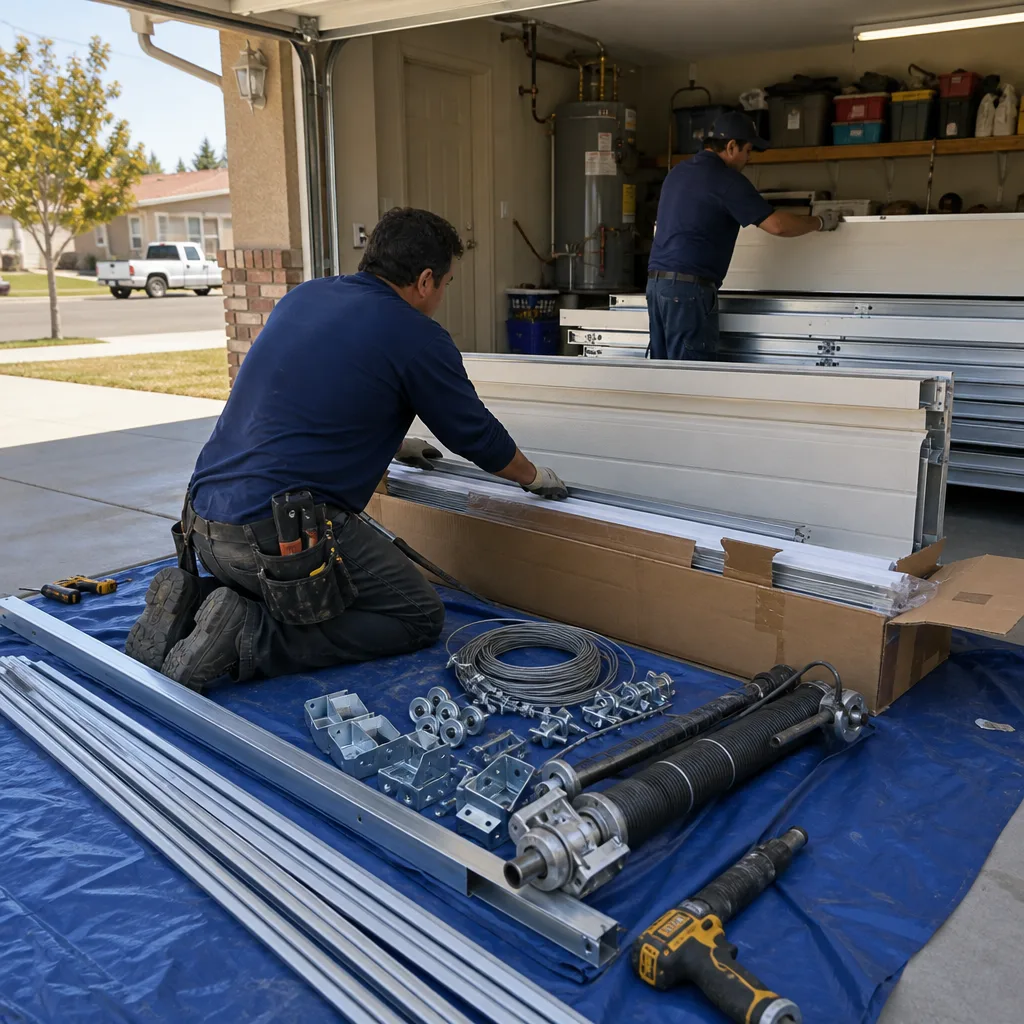
- Assuming all garage door work requires a permit. Replacing a spring, cable, panel, or entire door on an existing opening does not require a permit in Fontana. Paying permit fees for exempt work is just money the city enjoys more than you do.
- Assuming no garage door work ever requires a permit. The flip side. New openings, structural framing changes, and new electrical circuits all require permits. An unpermitted structural alteration is a title defect waiting to surface.
- Letting a contractor talk you out of a permit for permit-required work. If the work requires a permit and the contractor says skip it, they’re not doing you a favor. They’re avoiding their own paperwork and pushing liability onto you. In Fontana, a contractor who does permit-required work without a permit is reportable to the CSLB.
- Installing a non-insulated door on a conditioned garage. If your garage is heated or cooled, Title 24 applies. A single-layer steel door fails the U-factor requirement, and you’ll pay to replace it after the inspection.
- Mounting photo eye sensors too high. The CPSC standard is 4 to 6 inches from the floor. Higher mounting is a common inspection failure and a real safety issue for children and pets.
- Closing the wall before the rough-in inspection. If you’ve run new electrical for an opener, the inspector needs to see the wiring before drywall covers it. Closing early means opening the wall back up or failing the inspection for inaccessible work.
- Not checking whether you’re in City of Fontana or County jurisdiction. Unincorporated pockets near Fontana use San Bernardino County Land Use Services, not the city’s Building & Safety Division. The permit process is similar but the office is different, and submitting to the wrong agency wastes a week.
When to Call a Professional
Garage door work splits into two categories: what you can handle yourself and what you shouldn’t. Painting a door panel, replacing weatherstripping, and lubricating rollers are homeowner tasks. Replacing torsion springs is not. A torsion spring under tension stores enough energy to break bone or worse if it releases unexpectedly. Cables under load can whip. We don’t give step-by-step instructions for this work because no write-up replaces a trained hand and the right tools.
Permit-required work has a different professional threshold. Structural framing changes should go through a licensed contractor with engineering support. Electrical work for a new opener circuit should go through someone who pulls the electrical permit under their license. If you’re in Fontana and you’re unsure whether your project needs a permit, Servo Garage Doors Fontana offers free estimates on garage door work in Fontana and can tell you during the quote whether the scope triggers a permit. Call (951) 307-0747. We’ll also advise on garage door opener repair and installation in Fontana, including when a new opener crosses into permit territory.
Frequently Asked Questions
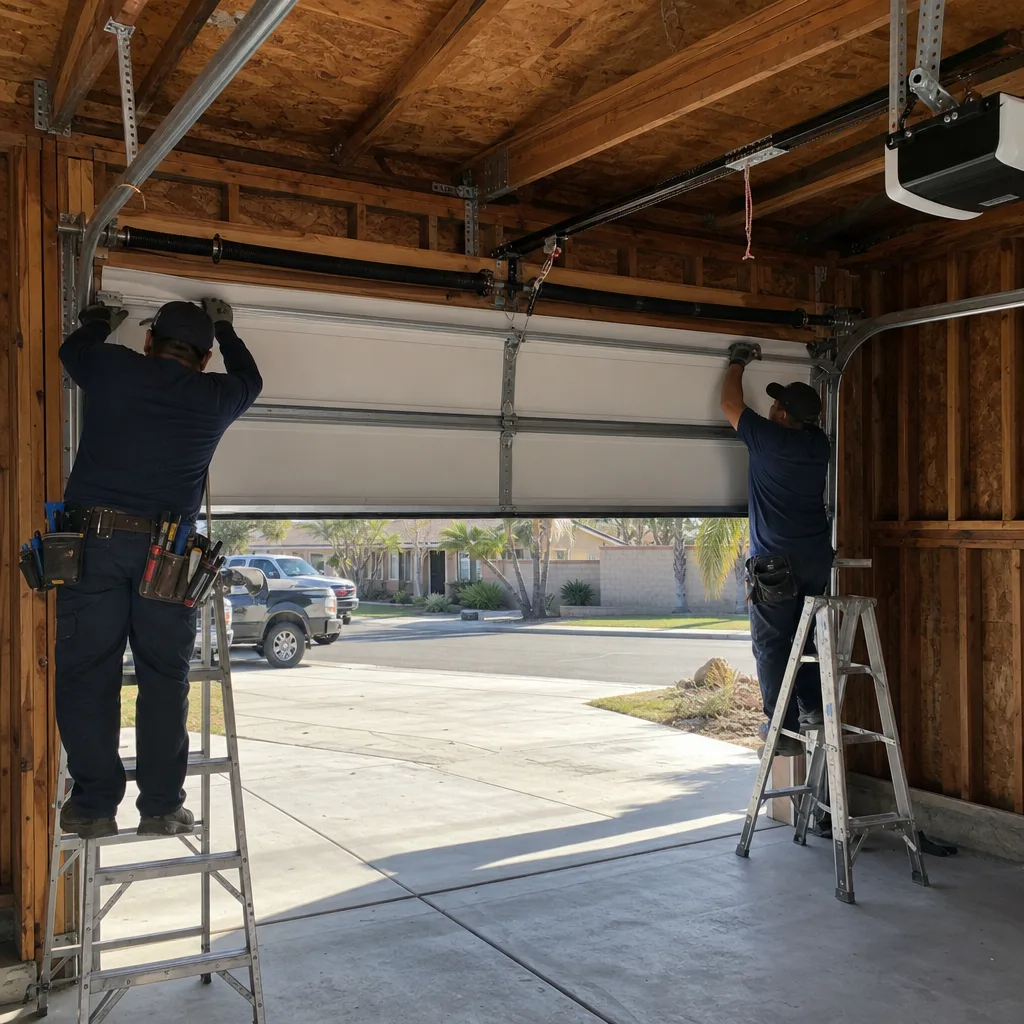
No, not for a like-for-like replacement on an existing opening. The California Building Code exempts ordinary repairs that don’t affect structural integrity. Replacing the door panels, springs, cables, or rollers does not require a permit in Fontana or elsewhere in San Bernardino County. A new door where none existed, or changes to the rough opening framing, do require a permit. If you’re unsure, call the City of Fontana Building & Safety Division and describe the scope.
A garage door installation permit in Fontana typically runs $150 to $400, based on the project valuation. Electrical permits for a new opener circuit run $100 to $250. Retroactive permits for unpermitted existing work run $200 to $500. These are ranges we see on invoices from Fontana projects, not quotes from the city. The exact fee depends on the project scope and valuation. Call (951) 307-0747 if you want a second opinion on whether your project needs a permit at all.
The work sits on your property record as unpermitted. You may not discover it until you sell the home or file an insurance claim for related damage. When it surfaces, you’ll either disclose it during sale and negotiate, or apply for a retroactive permit from the City of Fontana. A retroactive permit requires an inspection of the existing work against current code. If it passes, the permit is closed. If it fails, you pay for corrections. The retroactive process in Fontana typically costs $200 to $500 in permit fees plus any correction work.
Only if the garage is a conditioned space. Most Fontana garages are unconditioned, so Title 24 does not mandate insulation. If your garage has HVAC supply or return, the new door must meet a maximum U-factor of 0.35, which means an insulated steel door, not a single-layer panel door. Ask for the NFRC rating label or the compliance certificate before the inspection.
Whoever pulls the permit schedules the inspection. If the contractor pulls the permit, they schedule it and should be present for it. If the homeowner pulls the permit, the homeowner schedules it through the City of Fontana’s permit portal or by phone. Inspections in Fontana are typically scheduled within 48 to 72 hours, with a two-hour arrival window on the inspection day.
Yes. California law allows a homeowner to pull a permit for work on their own primary residence. The tradeoff is that the homeowner becomes the responsible party for code compliance, and liability sits with the homeowner, not a contractor. For permit-required garage door work, we recommend having the licensed contractor pull the permit under their license. It keeps the liability trail on the professional doing the work. If you’d like a second look at a project you’re considering, our team can walk the scope with you before you decide who pulls the paper.
The Bottom Line
California’s permit requirement for garage door work is narrower than most contractors imply and broader than most homeowners assume. Spring, cable, panel, and door replacement on an existing opening: no permit. Structural framing changes, new openings, and new electrical circuits: permit required. Title 24 adds an insulation threshold for conditioned garages only, and most Fontana garages fall outside that rule. The retroactive permit process exists and works, but it’s more expensive than pulling the right paper first. Know which category your project falls into before you start. If you want a definitive answer without sorting through code sections, explore our more guides & resources or call Servo Garage Doors Fontana at (951) 307-0747. We’ll tell you what we see, quote a flat written price before any work starts, and leave you with a photo record of everything we did. No permit surprises, no paperwork headaches.
Written by Marcus Deller, Owner at Servo Garage Doors Fontana, serving Fontana since 2015.