
Last updated September 20, 2026
Full 25-point door and opener safety check with every visit - springs, cables, rollers, tracks, and your LiftMaster or Chamberlain opener included
You get a price before we start. It does not change when the truck arrives.
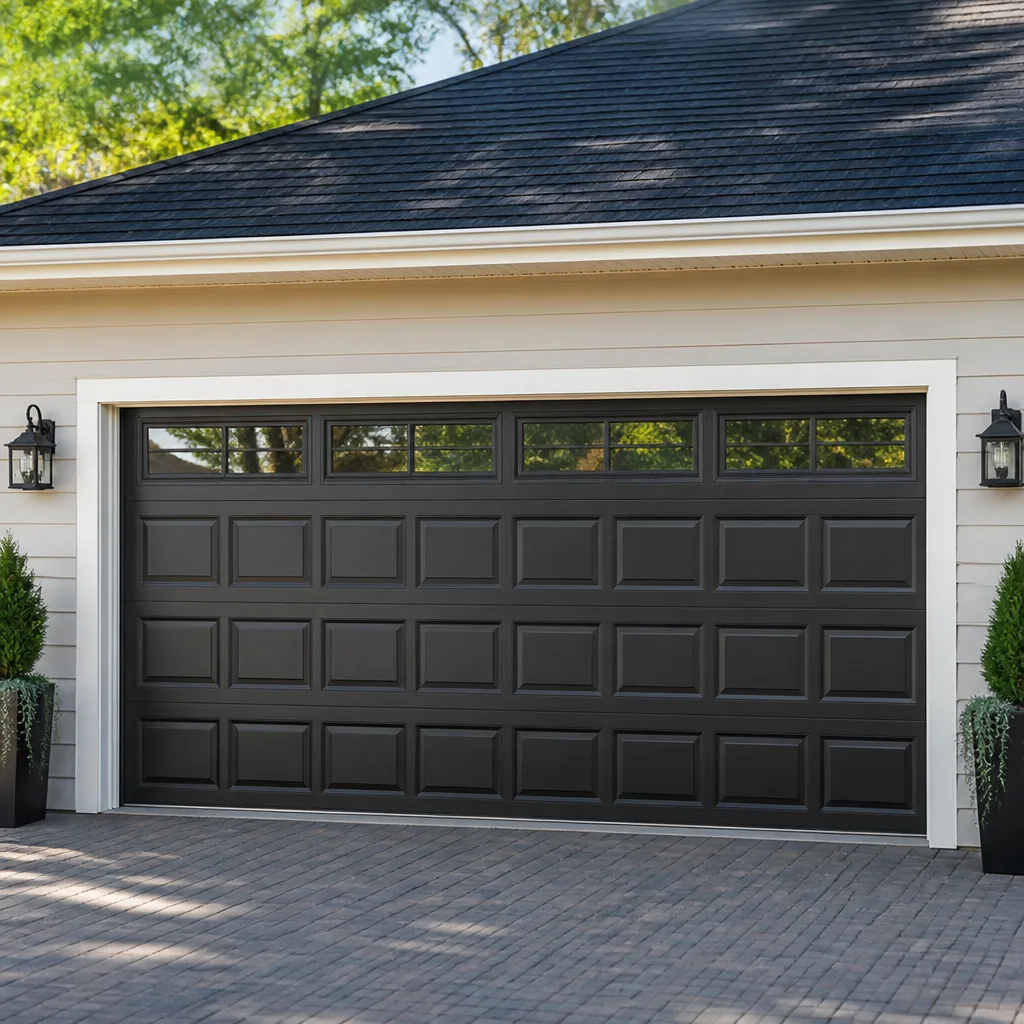
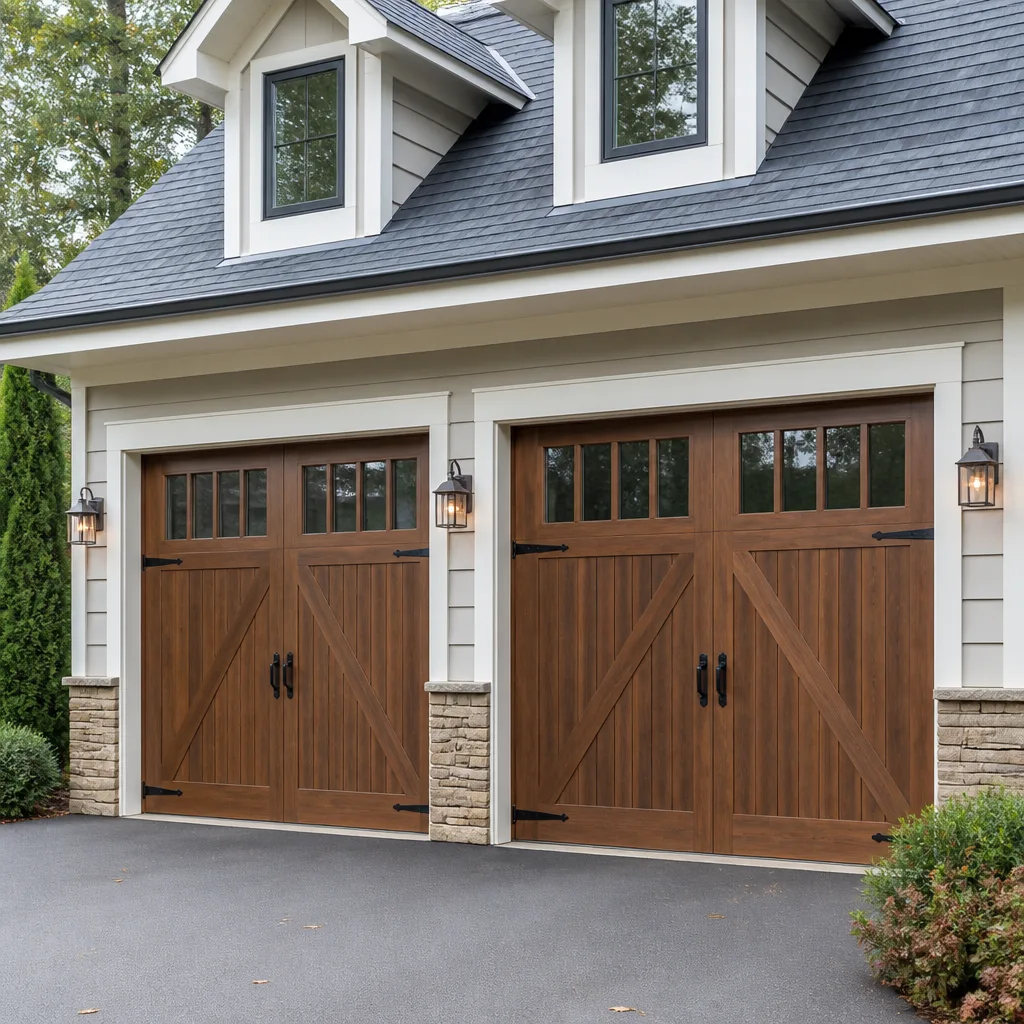
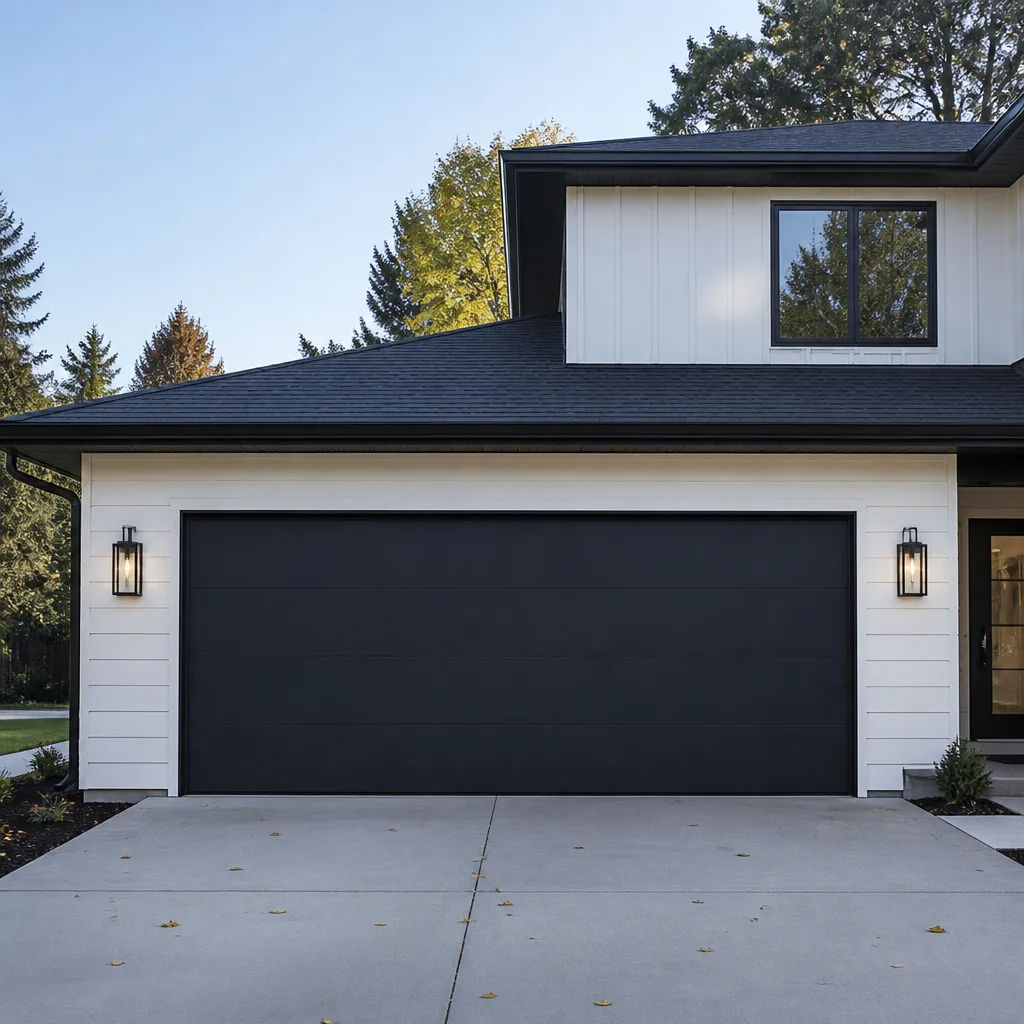
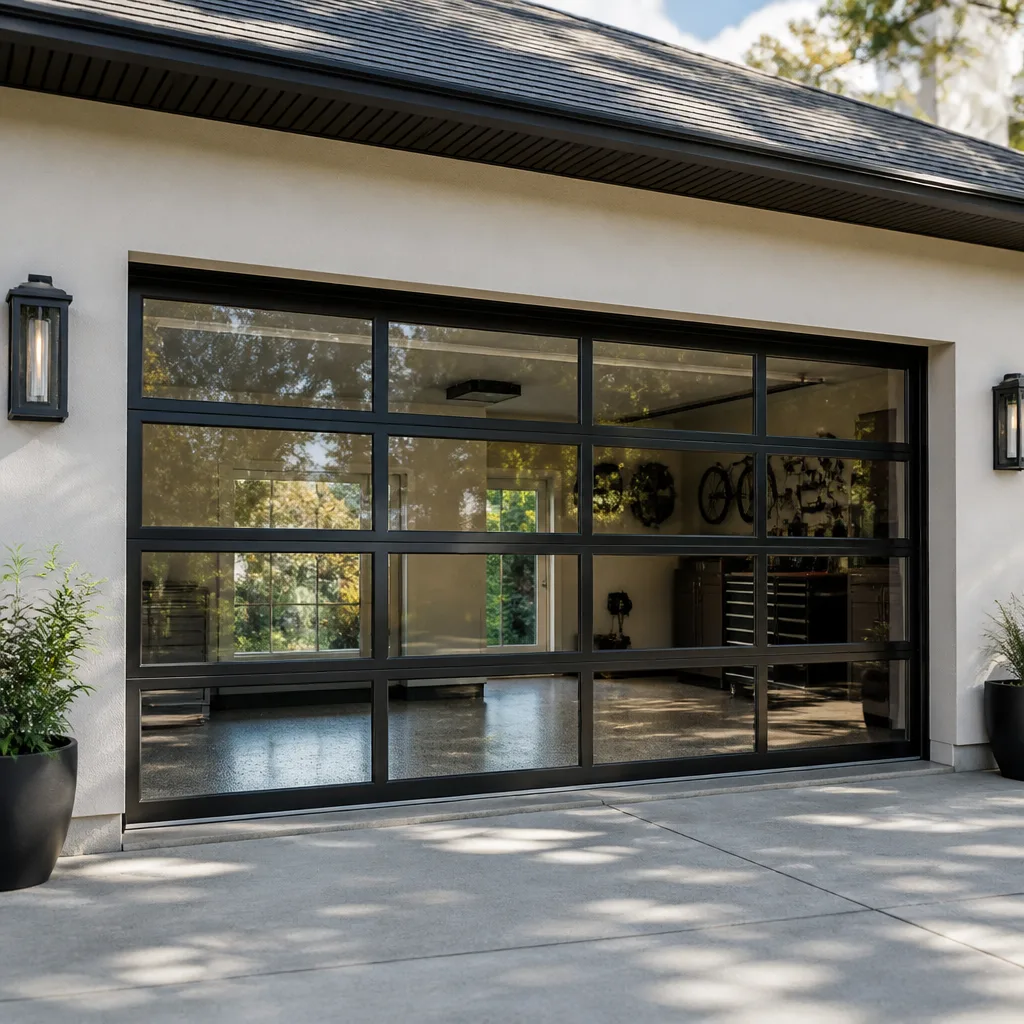
 Before
 After
After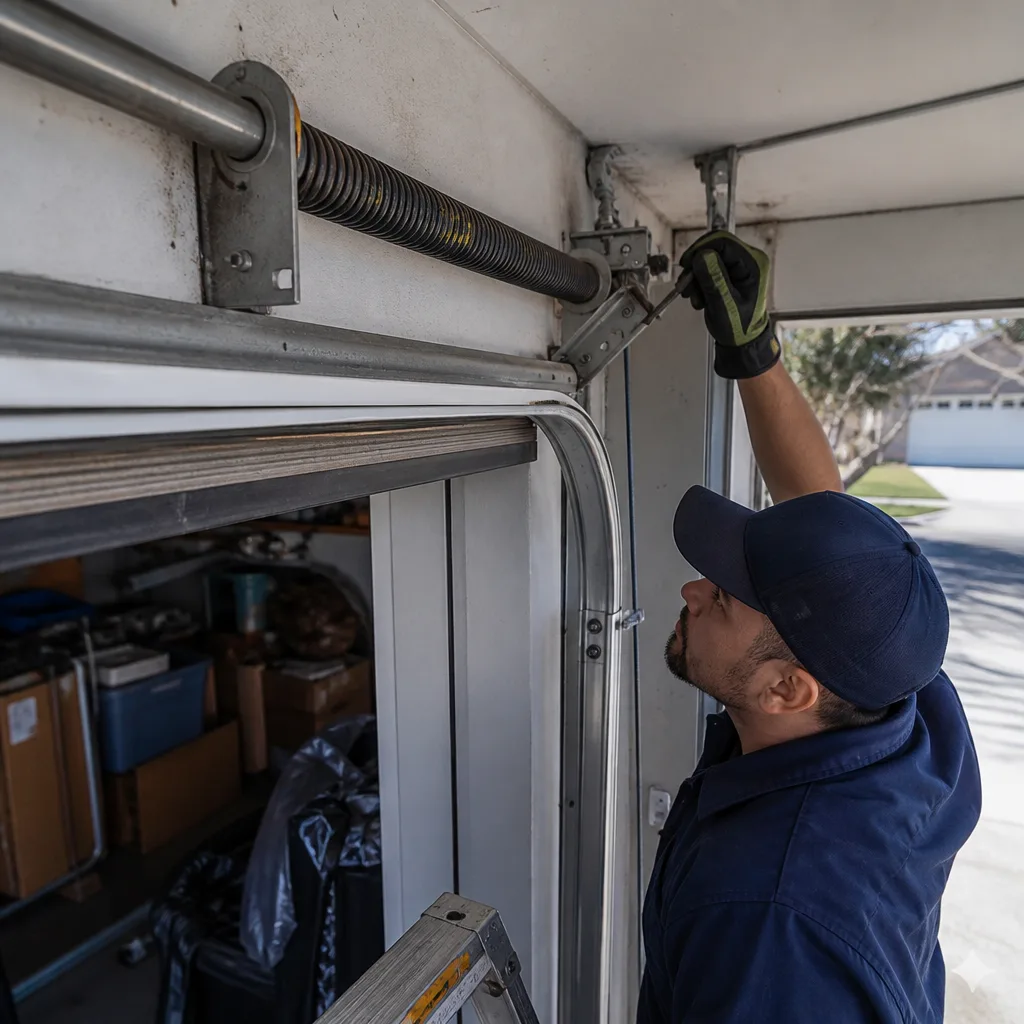 Before
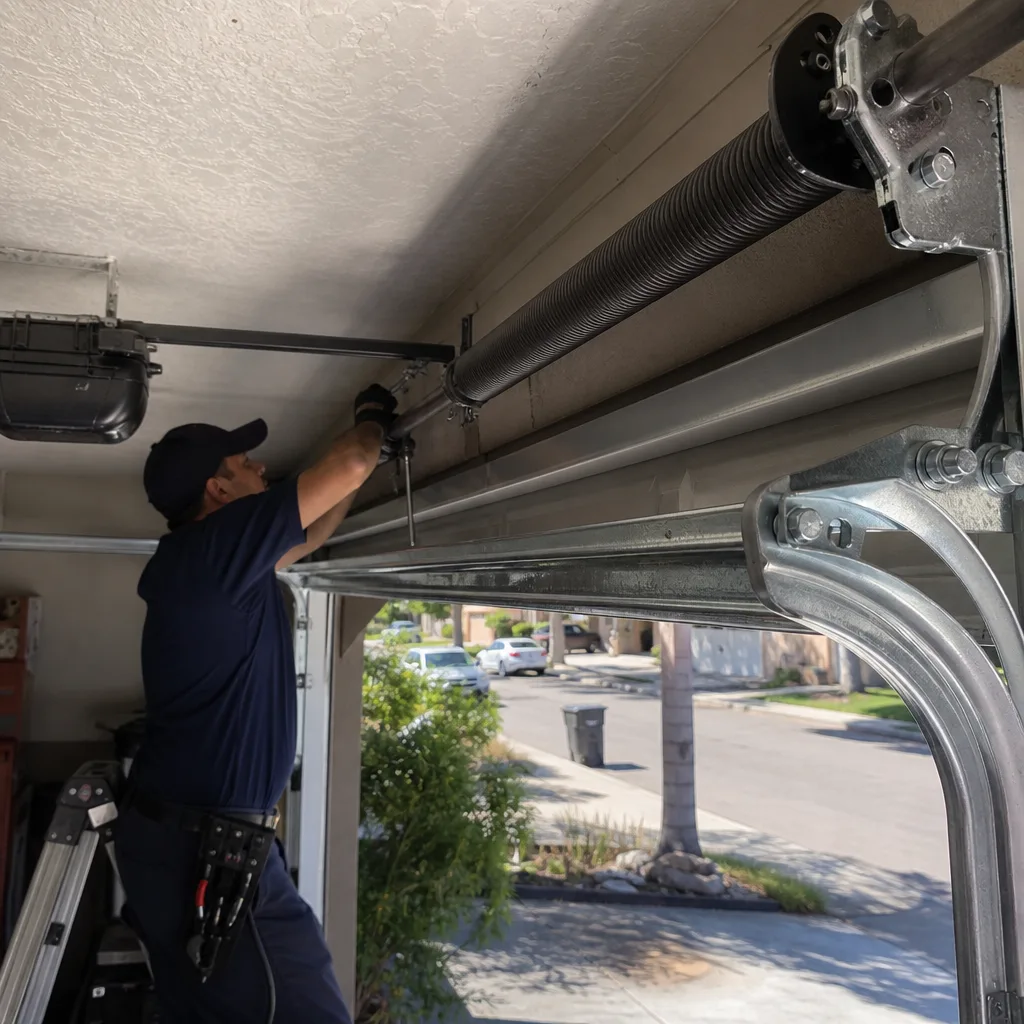 After
After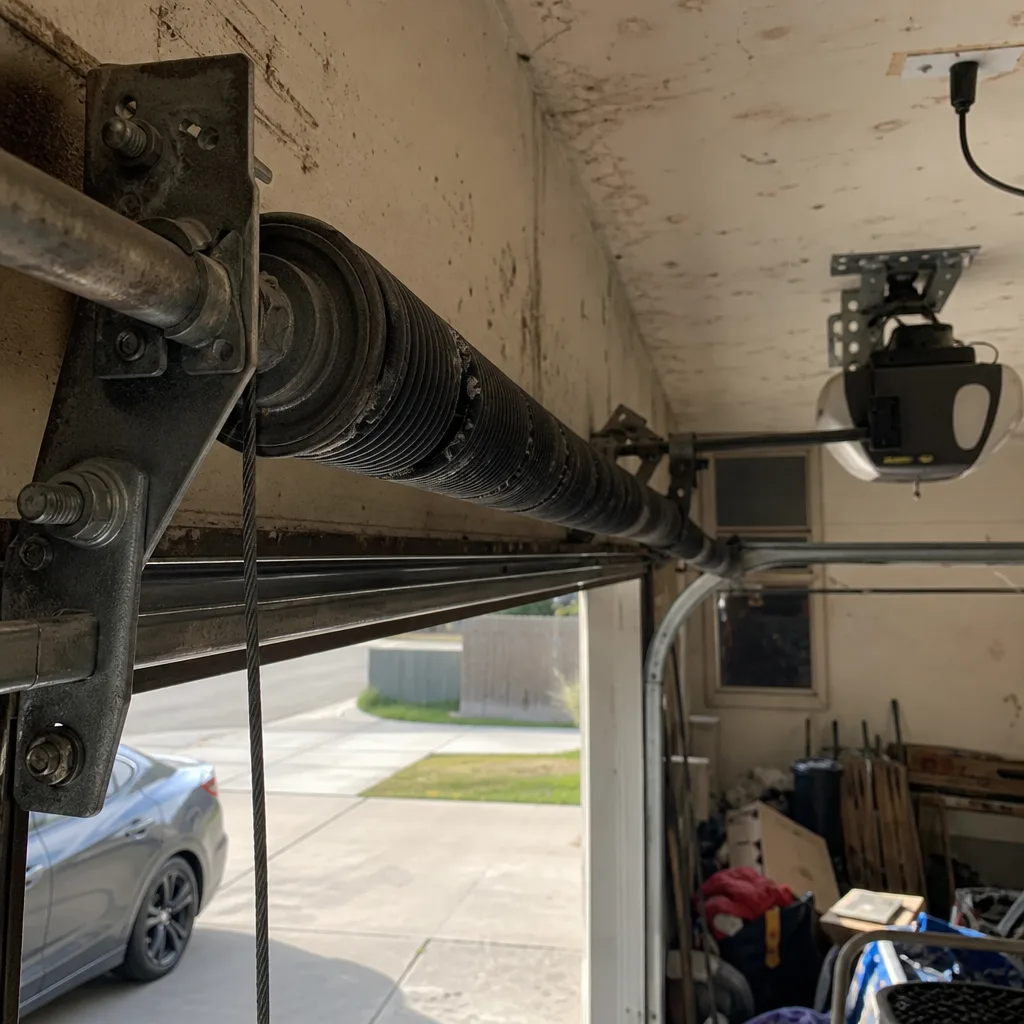 Before
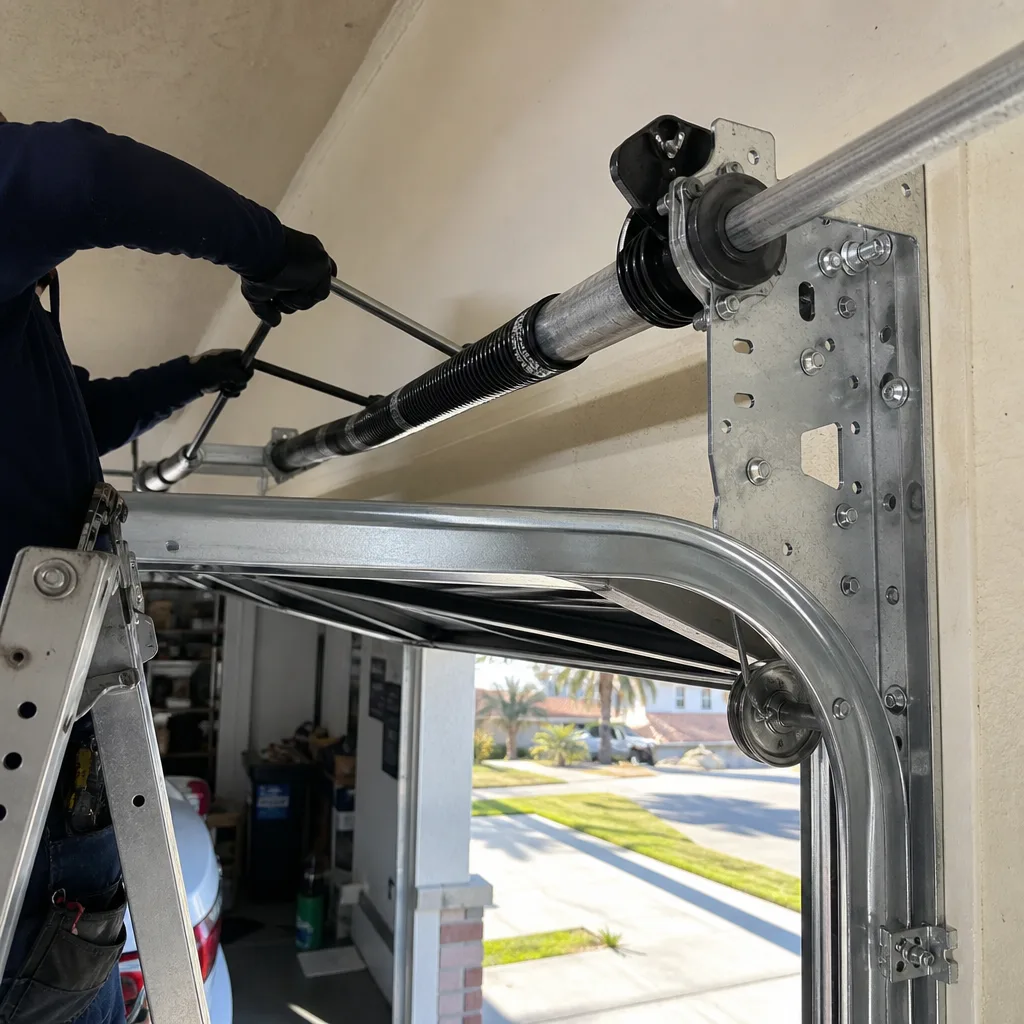 After
AfterGarage Door Warning Signs: A Fontana Homeowner’s Reference Guide
Here’s something most Fontana homeowners don’t realize until it’s too late: the loudest garage door isn’t the most dangerous one. It’s the quiet one. A door that creaks and groans is asking for attention. A door that moves slowly, smoothly, and silently is the one accumulating force-setting drift until the opener is pushing harder than the safety standard allows. This guide draws the line between the two, and every symptom below gets a classification: use normally and monitor, schedule service within two weeks, or stop using the door today. We’re going to name the specific component behind each warning sign, explain the failure mode in plain language, and tell you exactly what to photograph before you call anyone. If you live in Fontana, the high-desert heat and wind-driven grit do predictable things to garage hardware, and knowing which of those things are urgent will save you from making a panicked decision later.
Quick Answer
Most garage door warning signs in Fontana fall into one of three categories: cosmetic or benign noises you can monitor, mechanical issues that need service within two weeks, and safety-system failures that mean stop using the door immediately. For a deeper look at how to evaluate contractors before you call, see our guide on How to Hire a Garage Door Contractor in Fontana: A Step-by-Step Guide. The line between “schedule service” and “stop using today” comes down to whether the door’s balance, cable tension, or safety reversal system has been compromised. If the door reverses before hitting the floor, makes a popping sound on open, or hangs crooked in the tracks, stop using it and call a professional at (951) 307-0747.
Table of Contents
- Noises and What They Mean: A Field Guide
- Why a Slow Door Is More Dangerous Than a Loud One
- The Ground-Level Visual Inspection You Can Do Safely
- When the Door Reverses Before Hitting the Floor
- A Crooked Door, a Jumped Cable, and Other Alignment Failures
- How to Photograph the Symptom So a Technician Can Pre-Diagnose
- What Fontana’s Climate Does to Garage Door Hardware
- Common Mistakes to Avoid
- When to Call a Professional
- Frequently Asked Questions
- The Bottom Line
BeforeAfterNoises and What They Mean: A Field Guide
Garage doors make noise. That’s true of every door from every manufacturer, whether it’s a Clopay steel door or a Wayne Dalton carriage-house design. But specific noises correspond to specific failure modes, and the distinction matters. Here’s what we tell Fontana homeowners when they call about a sound they can’t identify.
Grinding on travel
Classification: schedule within two weeks. Grinding that occurs while the door moves along the tracks almost always points to roller bearing failure. The rollers are the small wheels that ride inside the vertical and horizontal tracks. Each roller contains ball bearings inside a sealed or semi-sealed housing. When those bearings wear out, usually after 10,000 to 15,000 cycles or about seven to ten years of normal use in Fontana, the roller stops spinning freely and starts sliding, which produces a grinding or scraping sound against the track. The door still works, which is why homeowners tolerate the noise. The problem is that grinding rollers create resistance, and resistance is the enemy of a balanced door. Over time, the added friction forces the opener to work harder, which accelerates wear on the opener’s gears and can pull the door slightly out of alignment. If you have a Craftsman or Chamberlain opener, the strain shows up first as a subtle lag when the door starts moving.
Popping on open
Classification: stop using today. A sharp popping sound when the door opens is the sound of a cable jumping on its drum. The cable drum is the spool at each end of the torsion spring shaft that winds the lifting cables. When a door is balanced correctly, both cables wind and unwind in perfect sync, and each cable sits in its groove on the drum. When the drum slips or the cable loses tension, the cable can jump out of its groove, and the sound is a distinct pop or snap. Once a cable jumps, the door is no longer lifting evenly. The torsion spring is now doing work on only one side of the door, or the cable is fraying against the drum’s edge. Either way, the door is a controlled fall waiting to happen. Do not open or close it again until a professional has reset the cable and verified the spring tension.
Squealing on open or close
Classification: use normally and monitor, but lubricate. Squealing differs from grinding in pitch and cadence. Squealing is high-pitched and rhythmic, and it usually traces to dry hinges or a dry torsion spring. The torsion spring, which is the large coiled spring mounted above the door on a horizontal shaft, needs a thin coat of lubricant on its coils to prevent metal-on-metal friction. In Fontana’s dry climate, lubricant evaporates faster than it does in coastal air, so springs and hinges dry out sooner. The fix is simple: apply a garage-door-specific lubricant, not WD-40, to the spring coils, hinges, and roller stems. Do not lubricate the track itself. If the squeal persists after lubrication, the spring may be fatigued and approaching failure.
Rattling accompanied by visible shaking
Classification: schedule within two weeks. Rattling means hardware loosened. The specific component varies: hinge bolts, track brackets, or the roller stems themselves. Fontana’s wind doesn’t cause this, but the daily thermal cycle does. A garage door expands and contracts every day as the ambient temperature swings, and over years those cycles back out any bolt that wasn’t torqued properly or wasn’t fitted with a locking nut. The fix is usually straightforward: tighten the loose hardware, then verify the door’s balance. But leave it unaddressed and the shaking accelerates wear on every other component.
If you’re hearing something that isn’t on this list, Servo’s garage door repair service in Fontana starts with the same diagnostic process every time: identify the component, photograph it, show you the photo, then quote the written price before any work starts.
Why a Slow Door Is More Dangerous Than a Loud One
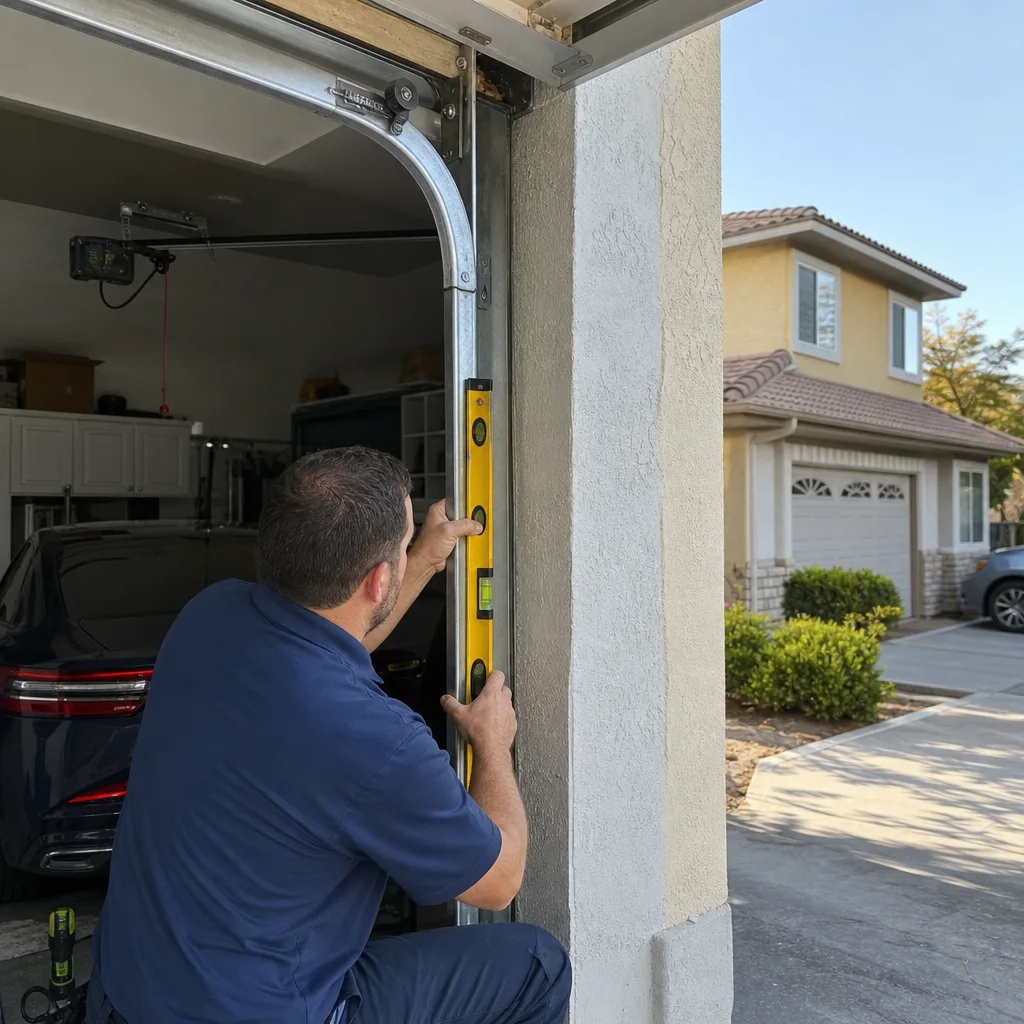
This is the section we wish every homeowner read before they searched for anything else. A slow garage door is the most overlooked warning sign in the trade, and it’s the one that most often leads to a door that stops working entirely at the worst possible moment.
Here’s the failure mode. Every garage door opener has a force setting, which is the amount of push or pull the opener will apply to move the door. When the door is new and balanced, the opener needs very little force: the torsion spring is doing the real work of lifting the door’s weight, and the opener is mostly guiding the door along the tracks. When friction increases, usually from worn rollers, dry hinges, or track misalignment, the opener has to push harder to move the door. The opener compensates by increasing force output. On older openers with mechanical force-adjustment dials, the setting stays wherever it was last adjusted. On newer models from LiftMaster and Chamberlain, the opener’s logic board monitors force and adjusts automatically within a range.
The danger is this: a door that moves slowly because the opener is fighting friction is a door that has absorbed that friction into force. If the force setting drifts high enough, the opener can push through a small obstruction, like a child’s bike handle or a trash can lid, that it would have stopped for when properly calibrated. The safety reversal system, which we’ll cover in a moment, has limits. A force setting that’s too high can defeat it. Put differently: a loud door gets fixed because it’s annoying. A slow door gets ignored because it’s quiet, and it becomes dangerous gradually.
Classification: schedule within two weeks. If your door moves slower than it did a year ago, or slower than your neighbor’s door, have the balance and force settings checked. This isn’t an emergency, but it’s a real problem. The door is telling you that something in its system is working harder than it should.
The Ground-Level Visual Inspection You Can Do Safely
You don’t need to touch anything to learn a lot about your garage door. Here’s what to look for from the ground, with the door closed, and then again with the door open. This is the same inspection our technicians perform before they lay a hand on any hardware, and it takes about five minutes.
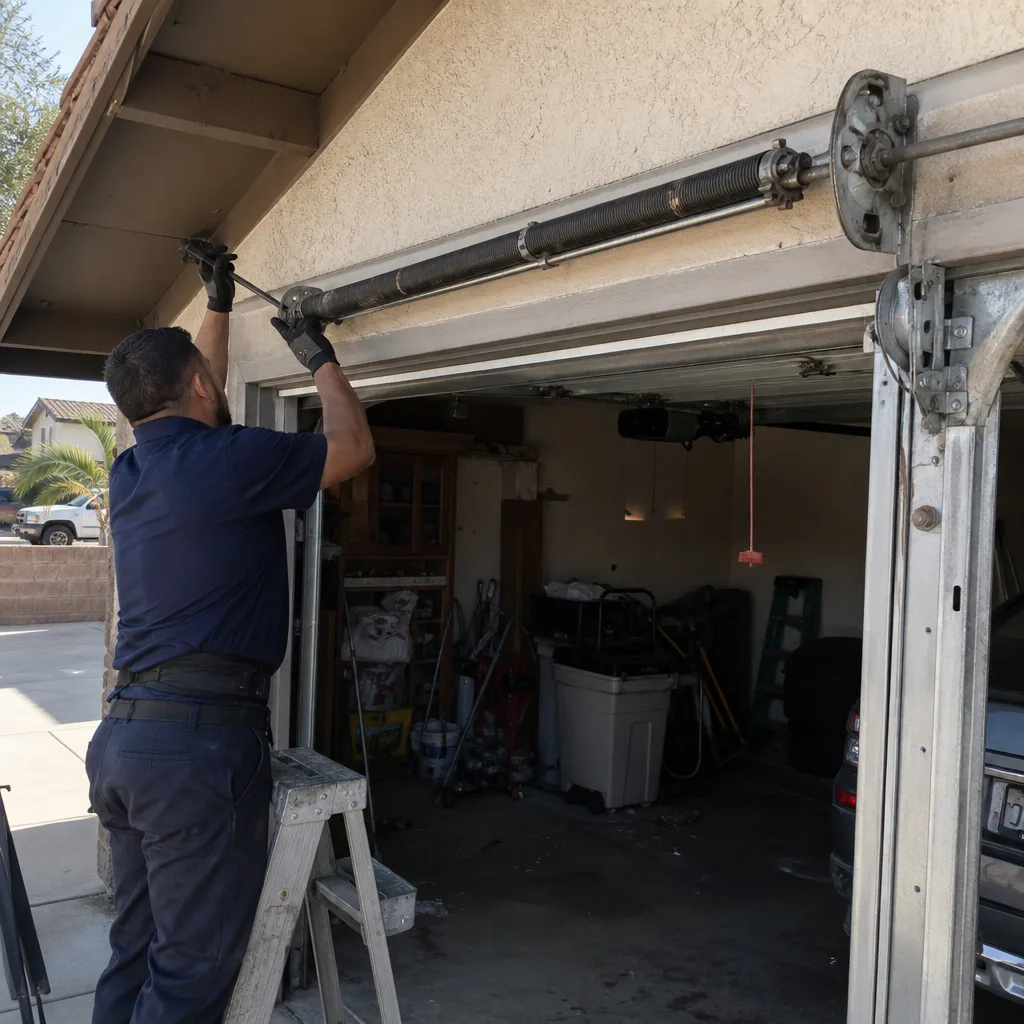
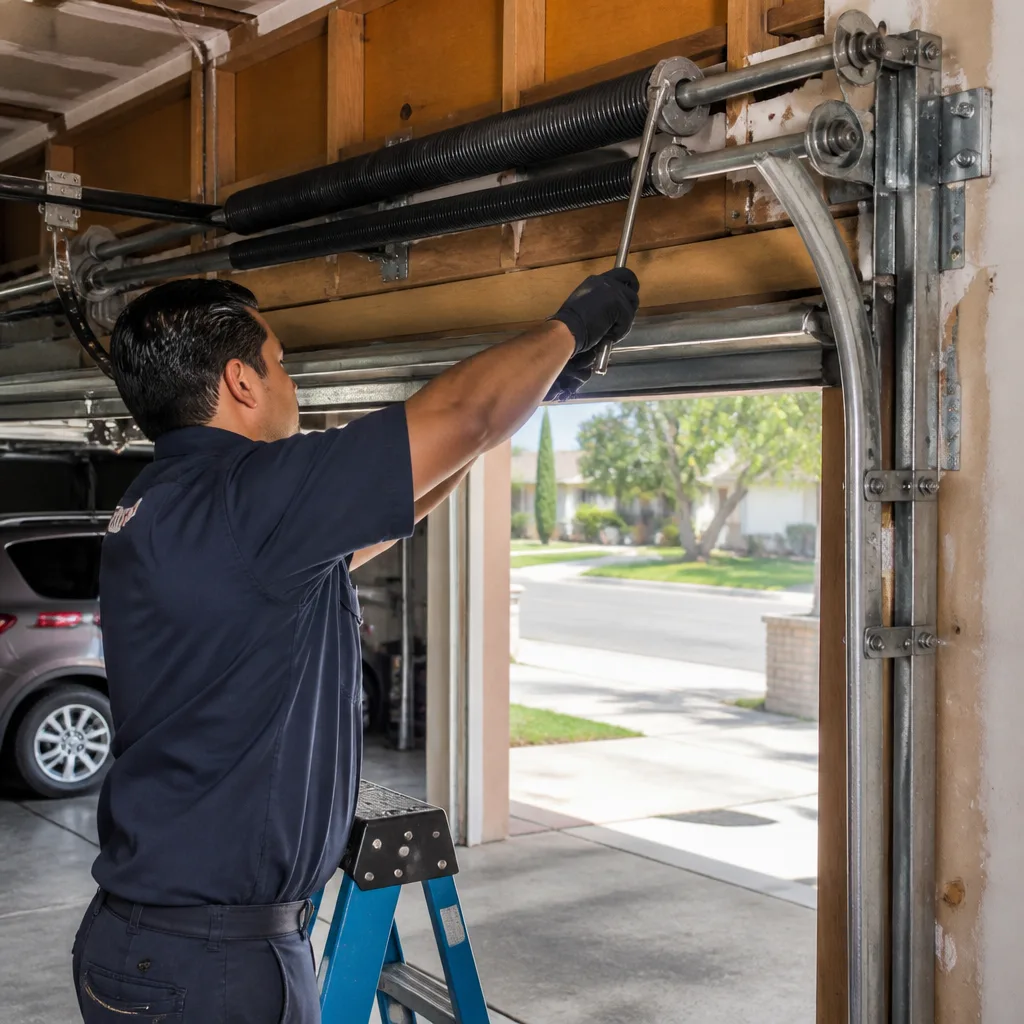
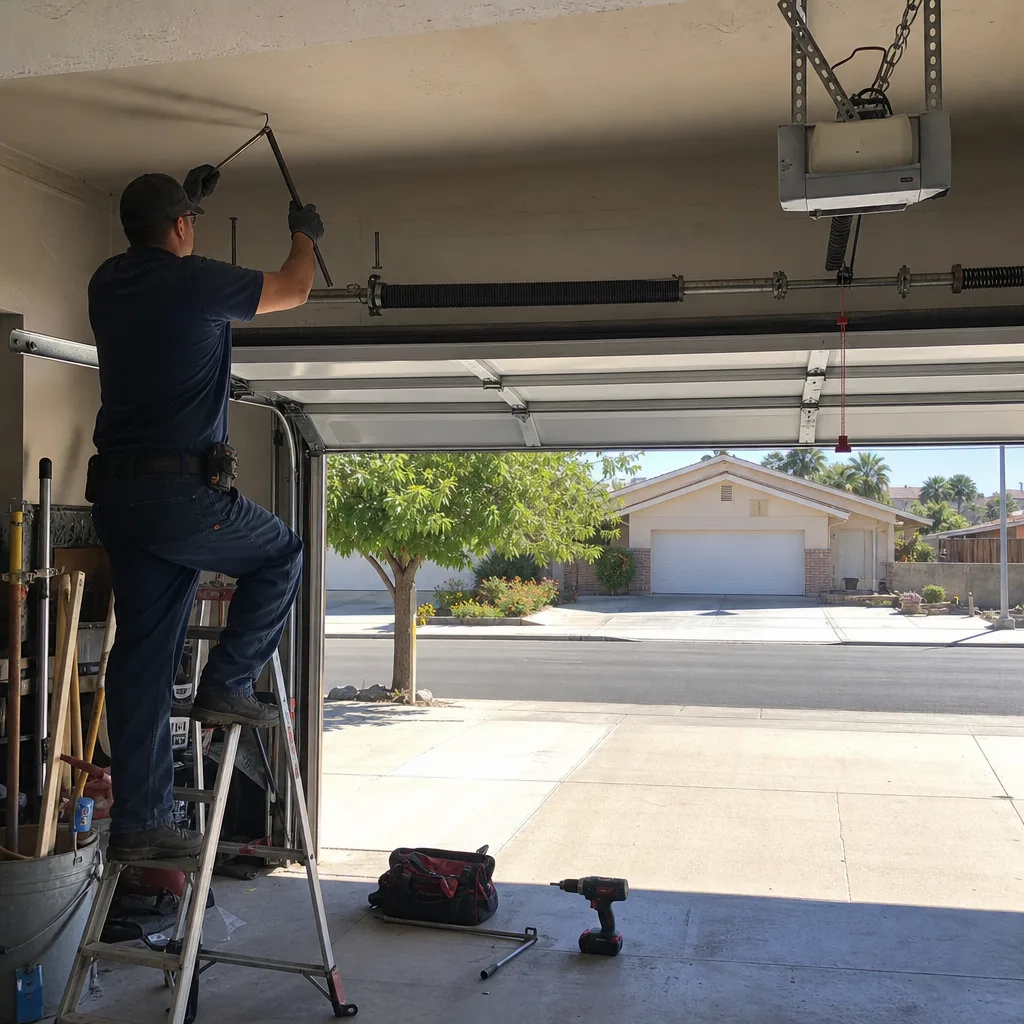
- Stand inside the garage and look at the torsion spring above the door. The spring should be one continuous coil with no visible gap. If you see a gap anywhere in the coil, the spring has broken. A gap is what a broken torsion spring looks like from a distance: two clean ends of a coil separated by an inch or two of empty space. This is the single most common spring failure we see in Fontana, and it means the door will not open with the opener, because the spring is what provides the lifting force.
- Check the lifting cables on both sides of the door. The cables run from the bottom brackets, up the sides of the door, and onto the drums at each end of the spring shaft. They should be taut and straight, riding in the grooves of the drums. If a cable is frayed, you’ll see individual wire strands poking out from the cable body. If a cable is slack, you’ll see a visible bow. Both conditions mean the cable is close to failing or has already lost proper tension.
- Sight down the tracks from the front of the garage. Stand a few feet back and look at the vertical track that runs up the wall on each side. Both tracks should be parallel to each other and perpendicular to the ground. If one track leans inward or outward, the door is pulling against the track as it moves, and that’s causing wear on rollers, hinges, and the track itself.
- Open the door halfway and look at the gap between the bottom of the door and the floor. The gap should be even across the entire width. If one side is higher than the other, the door is out of balance. That means the spring tension is uneven or the spring is fatigued, and the opener is compensating by pulling harder on one side.
- Look at the rollers in the tracks. Don’t touch them. Look at them. A roller with a worn bearing will sit slightly off-center in its track, and you may see dark powder or fine metal dust on the track below the roller. That dust is bearing material, and it’s evidence the roller is failing.
None of these steps require you to touch the spring, the cables, or the bottom brackets. That’s deliberate. The torsion spring and cables are under enough tension to cause serious injury if handled incorrectly. The inspection above is safe because it’s visual only. If you spot any of these conditions, you’ve gathered the information a technician needs to pre-diagnose the problem before they arrive.
When the Door Reverses Before Hitting the Floor
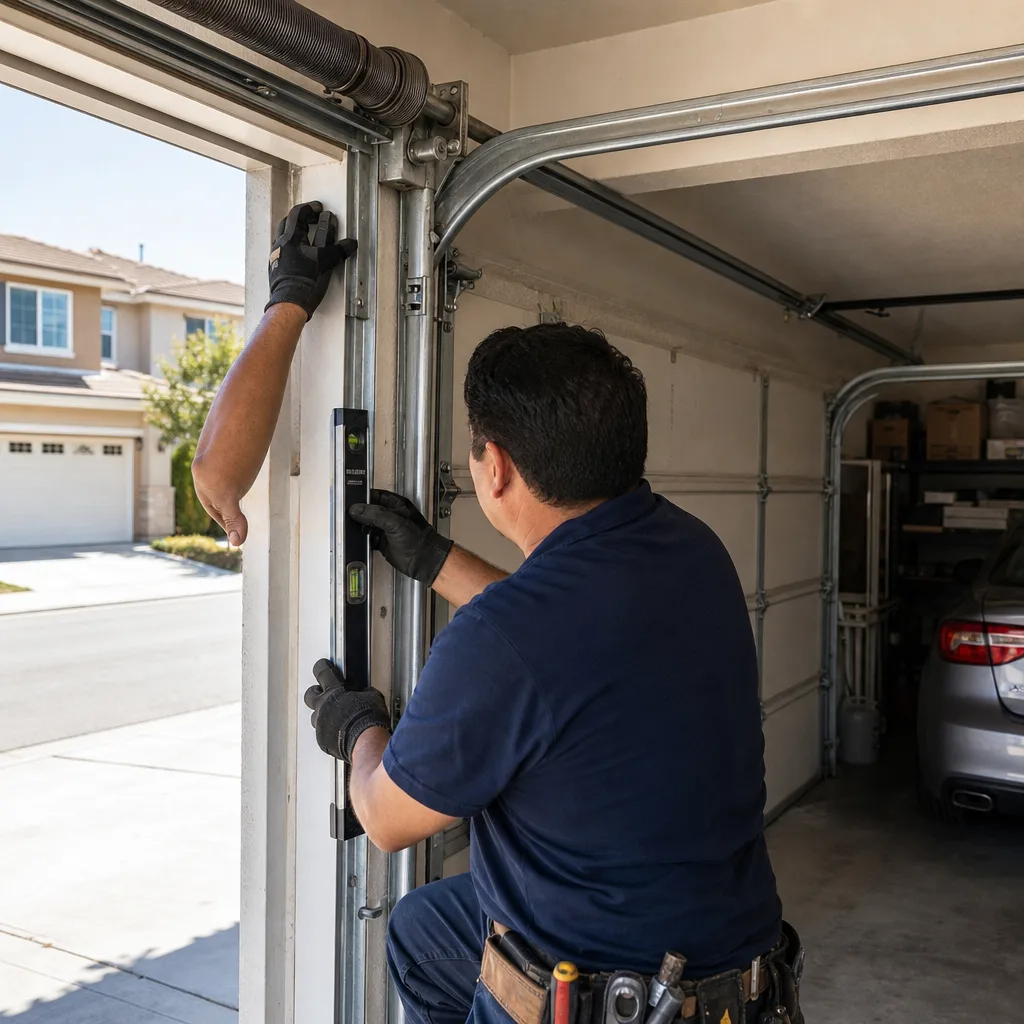
A door that reverses before it reaches the floor isn’t broken. It’s working. The safety reversal system, mandated on every residential garage door opener manufactured in the United States since 1993, is doing exactly what it was designed to do: stop closing and reverse direction when it detects resistance or an obstruction. What the door is telling you is that something in its travel path or force calibration has changed.
Here are the two most common causes we find in Fontana homes, and how to tell them apart.
The obstruction sensor is blocked or misaligned
Every opener has a pair of photo-eye sensors mounted near the floor on each side of the door opening. One sends an infrared beam to the other. If anything breaks that beam while the door is closing, the opener reverses. The sensors are positioned inches above the floor, which makes them vulnerable to dirt, cobwebs, and accidental bumps from trash cans, yard tools, or the bike a family member leaned against the wall. In Fontana, wind-blown grit and dust accumulate on sensor lenses faster than in coastal areas, and a dusty lens can scatter the beam enough to trigger a phantom reversal.
Classification: use normally and monitor. Check that both sensors have power (small LED lights should be lit), that the lenses are clean, and that they point at each other. If the LED on one sensor blinks when the door reverses, that’s a misalignment signal. A gentle nudge to realign the sensor usually solves it. Then run the door through a full close cycle to confirm.
The force setting is out of range
This is the less common and more serious cause. If the opener’s force setting drifts too low, the opener interprets the normal resistance of the door as an obstruction and reverses as a precaution. If the force setting drifts too high, the door may not reverse when it actually hits something, which is the safety failure we described earlier. Either condition means the opener needs calibration.
Classification: schedule within two weeks. A door that reverses intermittently, in different weather conditions or at different points in the travel, is likely a force or limit-switch issue rather than a sensor issue. The limit switch is the component that tells the opener where the door stops at each end of its travel. When the limit drifts, the door may try to close past the floor, hit resistance, and reverse. Or it may stop short, then reverse. If you’ve ruled out sensor issues, don’t keep running the door and hoping it sorts itself out. Have a professional calibrate the force settings and verify the safety reversal system is operating within the federal standard.
This is exactly the kind of problem we handle through garage door opener repair and installation in Fontana, and the diagnostic process always includes a photo record of what the technician found.
A Crooked Door, a Jumped Cable, and Other Alignment Failures
A garage door hanging crooked in its tracks is one of the few warning signs that should stop you in your tracks too. A crooked door means the door is no longer supported evenly on both sides, and that means one side is carrying more than its share of the door’s weight. The door itself can weigh 150 to 250 pounds depending on the material. An Amarr steel door in a double-wide size can weigh well over 200 pounds. When that weight shifts unevenly, every component downstream suffers.
The most common cause of a crooked door in Fontana is a jumped cable. The cable on one side slips off its drum, usually because the door hit an obstruction on one side, or because the drum slipped, or because the spring has lost its proper tension. When one cable is no longer lifting, that side of the door drops. The door tilts. If you see this condition, do the following:
- Do not operate the door. Not with the opener. Not by hand with the emergency release. The door is under uneven tension, and operating it in this state can cause the cable to snap completely or pull the door out of the tracks.
- Take two photos. One from the front of the door, showing the entire door in its crooked state. One from inside, aimed at the cable drums above the door on each side. These photos give a technician a pre-diagnosis before they arrive.
- Call for service. Cable and alignment work involves working with components under high tension. This is not a do-it-yourself repair. A professional can reset the cable, verify spring tension, and inspect the drum for damage in a single visit.
Another alignment failure we see in Fontana is less dramatic: the door shifts a fraction of an inch to one side while closing, then corrects itself. This is a sign of worn rollers or a slightly bent track, and it should be addressed within two weeks. It doesn’t require stopping the door entirely, but it won’t fix itself either.
How to Photograph the Symptom So a Technician Can Pre-Diagnose
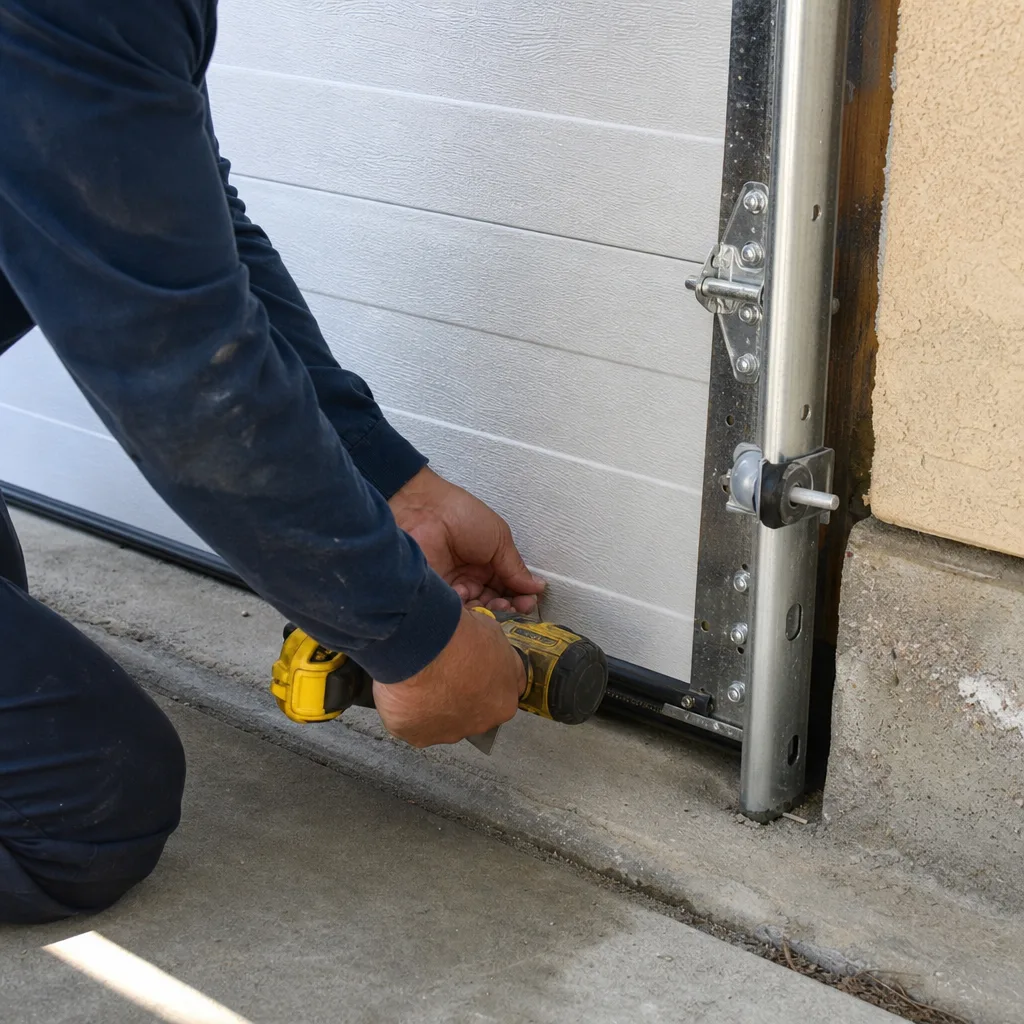
This is the section where our brand’s founding rule comes into practical use. Servo Garage Doors photographs the failed component before quoting a replacement. We’ve done that since 2015, and it’s now codified as Clause 4 of The Haven Standard, the documentation system we work under. Here’s how to bring that same standard to your side of the call.
When you call about a garage door issue, the person on the phone will ask you to describe what you’re seeing and hearing. Your description matters, but your photos matter more. A good photo lets the technician arrive with the right parts and the right plan, which means fewer trips and a faster fix. Here’s what to photograph, and how to frame it.
For a broken spring
Stand inside the garage, directly under the spring, and shoot upward. Use your phone’s flash, because springs sit in shadow. Frame the entire spring from end to end, then take a second close-up of the break. A broken spring shows a clean gap between two coil ends. The photo should show both coil ends and the gap between them.
For a crooked door
Stand in the driveway, far enough back to fit the entire door in the frame. Shoot straight on. This photo shows the tilt. Then go inside and shoot the cable drums above each side of the door. The photo should show whether the cable is in its groove or out of it.
For a grinding or squealing noise
Record a video. Ten seconds is enough. Hold the phone steady and capture the door moving through a full open or close cycle. Audio matters more than video here. Send the video when the technician asks for it, or describe the sound as specifically as you can: metal-on-metal grinding, high-pitched squeal, sharp pop, hollow rattle.
For a door that reverses
Record a video of the door reversing, then photograph the sensor on each side, close enough to show whether the lens is clean and whether the LED is lit. If the LED is blinking, tell the technician. The blink pattern is a diagnostic code.
We ask every caller to send photos before we dispatch, because Clause 4 of The Haven Standard says the customer sees the failed part before anyone quotes a replacement. It’s the same courtesy extended backward: you showing us the symptom before we arrive. It makes the visit faster, and it makes the quote more accurate. That’s the entire point of Servo Garage Doors Fontana’s approach.
What Fontana’s Climate Does to Garage Door Hardware
Fontana sits at the eastern edge of the San Gabriel Valley, and its climate does two specific things to garage door hardware that homeowners in coastal cities don’t experience to the same degree. For a full overview of how these factors affect every major component, read The Complete Guide to Garage Door in Fontana. First, the dry air accelerates lubricant evaporation. Second, the Santa Ana winds push fine grit into every gap, track, and bearing surface on the door. Both factors shorten the service interval on certain components, and understanding which components those are will help you interpret what your door is telling you.
Torsion springs are the component most affected by Fontana’s temperature swings. A torsion spring is rated for a certain number of cycles, usually 10,000 for a standard spring and 20,000 or more for a high-cycle spring. Every open and close cycle is a full flex of the spring’s metal. Temperature doesn’t change the cycle count, but it does affect how the metal behaves at the margins. Extreme heat makes the coils expand slightly, which can accelerate wear at the connection points. More importantly, the fine dust that blows through Fontana during wind events settles on the spring and works its way between the coils, creating abrasion points. We see springs fail earlier in Fontana than in coastal cities with the same cycle count, and the abrasion from wind-blown grit is usually the reason.
Rollers and hinges also suffer from the grit. A roller with a sealed bearing resists grit intrusion better than one with an open bearing, but most builder-grade doors installed on Fontana homes come with open-bearing rollers. Those rollers are also the ones most likely to produce the grinding sound we described earlier. If your door was installed when the house was built and the rollers have never been replaced, they’re almost certainly worn. The fix is a full roller replacement, and the upgrade to sealed nylon rollers makes a real difference in how the door sounds and how long the new rollers last.
Wayne Dalton and Clopay doors both have models designed for arid climates, but the design features only help if the door is maintained. In our experience across Fontana, the homeowners who lubricate their springs and hinges twice a year and check their cable tension once a year get significantly longer life from their doors than those who wait for a symptom to appear.
Common Mistakes to Avoid
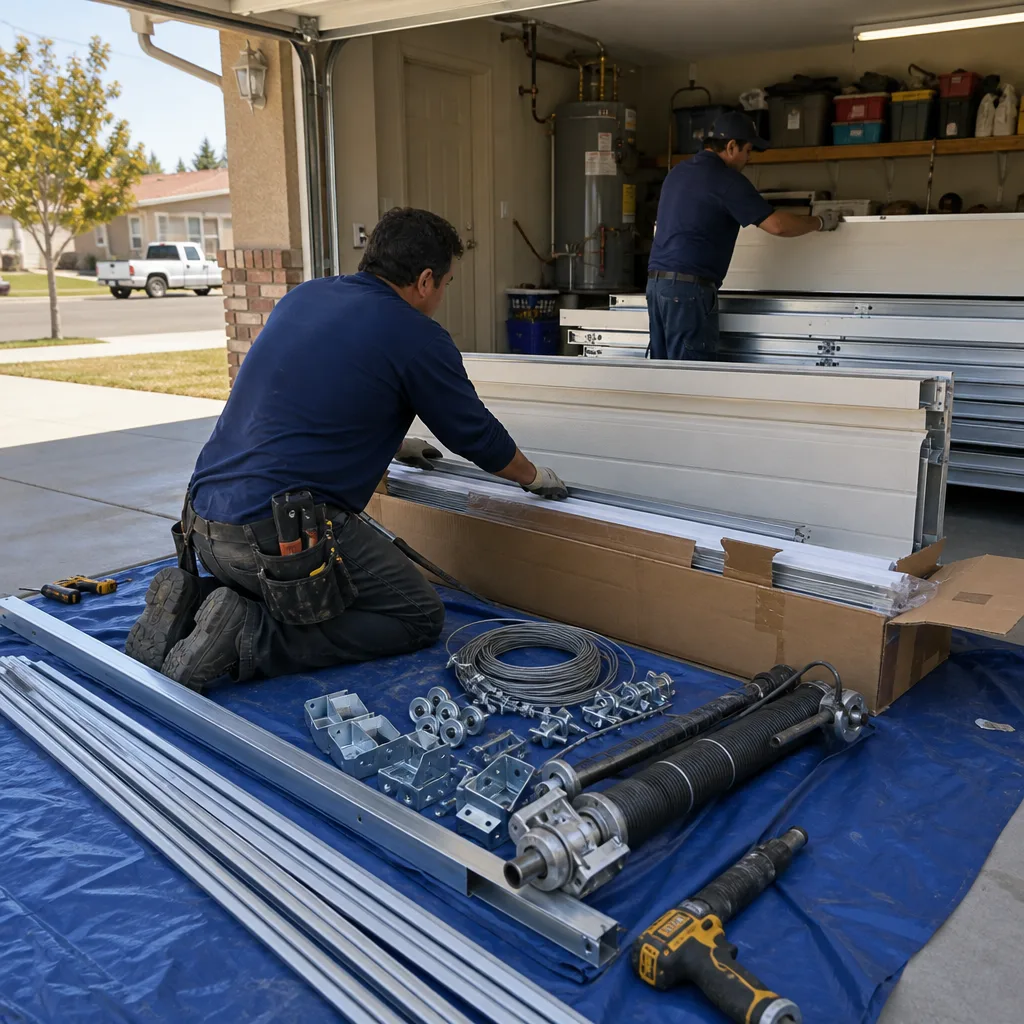
- Ignoring a slow door because it still works. A slow door is a force-setting problem in the making. The longer it goes unaddressed, the closer the opener gets to the point where it no longer reverses safely for an obstruction. Schedule a balance and force check within two weeks.
- Lubricating the track. The track is a guide surface, not a bearing surface. Lubricant on the track attracts Fontana’s wind-blown grit and turns it into grinding paste, which accelerates roller wear. Lubricate the rollers, hinges, and spring coils. Never the track.
- Operating a door with a known broken spring. A broken spring means the opener is doing all the lifting, and the opener was never designed for that. Operating the door in this condition will burn out the opener’s motor or strip its gears, turning a spring replacement into a spring and opener replacement.
- Assuming a reversing door means the sensor is dirty. Sometimes it is, and checking the sensor first is fine. But if the sensor is clean and aligned and the door still reverses, don’t keep guessing. The problem is likely in the force setting or limit switch, and both require calibration tools to diagnose properly.
- Taking photos from too far away. A photo of the entire garage with a tiny door in the middle doesn’t help a technician pre-diagnose. Get close enough to show the specific component: the spring gap, the cable on its drum, the roller in its track. Specificity beats artistry.
- Waiting for a symptom to become a failure. The whole point of a warning sign is that it precedes a failure. Grinding rollers, a door that’s slightly out of balance, or a spring that’s showing signs of wear are all cheaper to fix before they fail than after. Every symptom in this guide has a “schedule within two weeks” window for a reason.
When to Call a Professional
Here’s the short version. Call a professional if you see a broken spring, a jumped cable, a crooked door, or a door that reverses without explanation. Call if you hear a popping sound on open. Call if the door is visibly out of balance. Call if the door has been slow for weeks and is getting slower. Those are the conditions you cannot safely resolve on your own, and continuing to operate the door in those states risks a more expensive failure or a safety incident. Browse more guides & resources for additional maintenance and repair information. Servo Garage Doors Fontana offers free estimates in Fontana, with a documented photo record on every visit. Call (951) 307-0747 and a real person answers, day or night.
Frequently Asked Questions
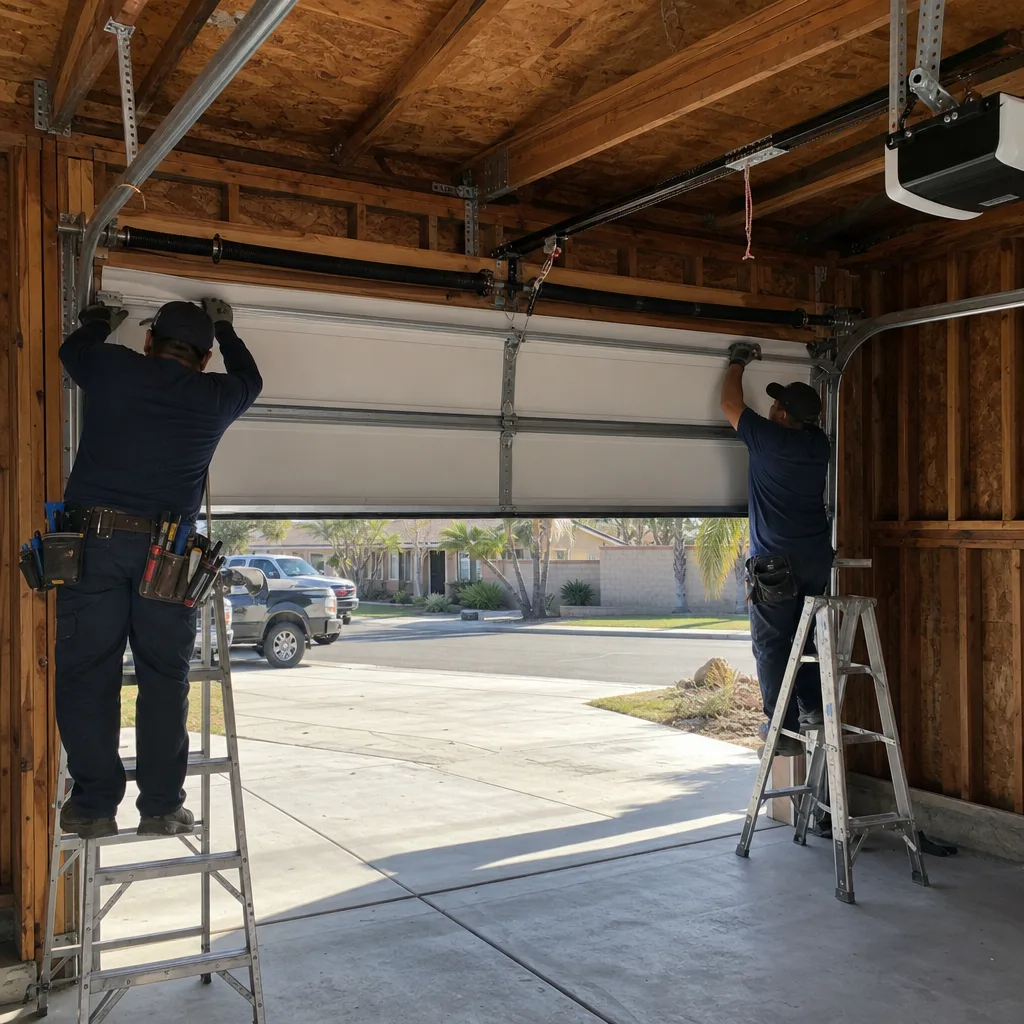
Most garage door repairs in Fontana fall between $150 and $450 depending on the component. A roller replacement typically runs $150 to $250, a cable reset $180 to $300, and a torsional spring replacement $250 to $450 for a standard single-door spring. Every quote from Servo Garage Doors Fontana is a flat, written price delivered before any work starts, per Clause 1 of The Haven Standard. Call (951) 307-0747 for an exact quote for your door.
Yes. Servo Garage Doors Fontana answers the phone 24 hours a day, 7 days a week with a live person, and we schedule same-day service in Fontana for urgent conditions like broken springs and jumped cables. When a technician is dispatched, you receive a text with their name and estimated arrival time, not a callback window. Emergency calls are answered by a real person, not a recording. Call (951) 307-0747.
A loud pop followed by a door that won’t open almost always means the torsion spring broke. The spring is what lifts the door’s weight, and when it breaks, the opener cannot lift the door on its own. The pop is the sound of the spring snapping. Stop using the door and call for service. This is the single most common emergency call we handle in Fontana.
A garage door that reverses before hitting the floor is usually reacting to a blocked or misaligned safety sensor, or to a force setting that’s drifted out of calibration. The safety reversal system is designed to stop and reverse when it detects resistance, so the reversal itself is the system working correctly. The question is what triggered it. Check the sensors first. If they’re clean and aligned and the door still reverses, the opener needs calibration.
Twice a year, in spring and fall. Fontana’s dry air evaporates lubricant faster than coastal climates, and the Santa Ana winds coat hardware with fine grit. Apply a garage-door-specific lubricant to the torsion spring coils, hinges, and roller stems. Do not lubricate the track. If you’re not sure what to use, any hardware store in Fontana carries the right product, or a technician can lubricate the door during a routine service visit.
Our technicians carry the most common components on the truck: torsion springs in standard sizes, rollers, cables, hinges, and opener parts for LiftMaster, Chamberlain, Genie, Craftsman, and other major brands. That means most repairs are completed on the first visit. If your door needs a part we don’t carry, you’ll know before the technician leaves, and you’ll have a written flat-price quote in hand before anyone orders anything. Call (951) 307-0747 to describe your issue and confirm what’s needed.
The Bottom Line
Garage door warning signs are a language. Grinding means replace the rollers. Popping means stop using the door. A slow, quiet door means the force setting is drifting somewhere it shouldn’t. A crooked door means one side is carrying too much weight, and a reversing door means the safety system is trying to tell you something. None of these symptoms go away on their own, and all of them are cheaper to address early than after they become a full failure. If you’re in Fontana and you’ve spotted a warning sign, don’t gamble on it. Servo’s garage door installation and repair service in Fontana has handled more than 18,000 doors since 2015, every one with a written price before work started and a documented photo record when the technician left. That’s the standard, and it’s in writing. Call (951) 307-0747.
Written by Marcus Deller, Owner at Servo Garage Doors Fontana, serving Fontana since 2015.